# The 2025 Flooring Forecast: Warm Wood, Resilient Markets, and New Regulations
The world of flooring is undergoing a significant transformation in 2025, marked by a decisive shift in aesthetic preferences, continued market resilience in the face of economic headwinds, and an increasing focus on regulatory compliance. For both wood and resilient flooring categories, the key themes are **authenticity, durability, and sustainability**.
## Wood Flooring: The Return to Warmth and Texture
After years dominated by cool grays, the wood flooring market is experiencing a major swing back to **warm, natural tones**. Designers and homeowners are embracing hues like golden oak, honey-toned pine, and rich chestnut, which infuse spaces with comfort and timeless appeal. This trend signals a move away from the flat, cold look of gray-toned wood, favoring instead the inviting character of wood’s natural colors.
Beyond color, the following trends are defining the wood flooring landscape:
* **Wide Planks:** Wider and bolder planks (5, 7, or 10+ inches) are becoming the standard, creating a more expansive, less busy look with fewer seams.
* **Matte Finishes:** High-gloss is out, replaced by **matte and low-sheen finishes**. These finishes offer a more natural, authentic appearance and are significantly more practical, as they hide scratches, scuffs, and dust better than their glossy counterparts.
* **Textured Surfaces:** Surfaces that add character, such as **wire-brushed** and **hand-scraped** finishes, are highly sought after. These techniques enhance the wood’s natural grain and provide a lived-in, rustic elegance.
* **Creative Patterns:** Classic patterns like **herringbone and chevron** are making a strong comeback, adding a sense of craftsmanship and luxury to entryways and main living areas.
## Resilient Flooring: Holding Steady in a Choppy Market
The resilient flooring category, which includes luxury vinyl tile (LVT) and rigid core products like SPC, is proving its namesake by remaining strong despite significant market challenges in 2025. While the overall market has softened due to high interest rates, a slow housing market, and inflation, resilient flooring is holding its own better than other categories like carpet and hardwood.
Key takeaways for the resilient market:
* **Focus on Remodel:** With fewer new home starts, the market is shifting toward **remodel and replacement projects**. Homeowners who are staying put are investing in high-performance, durable, and water-resistant resilient floors.
* **Market Value:** While volume may be slightly down, the category is holding steady in terms of value, with projections showing the market size continuing to grow significantly through 2033.
* **Tariff Volatility:** Evolving trade policies and fluctuating tariffs continue to create turbulence, impacting pricing and supply chain management. This has led to increased investments in domestic manufacturing to mitigate risk.
## The Regulatory Landscape: Focus on Safety and Sustainability
Regulatory compliance is a growing concern, particularly regarding the use of chemicals in flooring products. New regulations targeting **PFAS (per- and polyfluoroalkyl substances)** are rapidly emerging across the U.S., intensifying the pressure on manufacturers in both the wood and resilient sectors to adapt and find low-VOC, eco-friendly alternatives.
Furthermore, technical standards from organizations like the **NWFA (National Wood Flooring Association)** and **ASTM International** continue to evolve, ensuring quality, safety, and performance in both residential and commercial applications. The push for **FSC-certified** and responsibly sourced wood also underscores the industry’s commitment to environmental sustainability.
In summary, 2025 is a year for the flooring industry to embrace the authentic, the durable, and the responsible. The trends point toward a warmer, more textured home environment, supported by a resilient market and a stricter regulatory framework.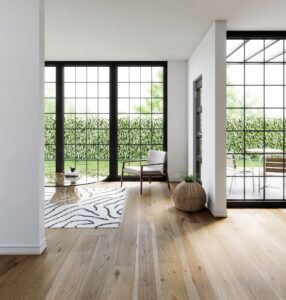
Leave a Reply