Category: Resilient

  • The Future of Floors: 2026 Trends, News, and Regulations for Wood and Resilient Flooring

    The Future of Floors: 2026 Trends, News, and Regulations for Wood and Resilient Flooring

    # The Future of Floors: 2026 Trends, News, and Regulations for Wood and Resilient Flooring

    The flooring industry is undergoing a significant transformation as we move into 2026. From the resurgence of warm, earthy tones to the introduction of stricter environmental regulations, both homeowners and industry professionals need to stay informed. This summary explores the key findings in wood and resilient flooring, highlighting the trends that are shaping modern interiors and the rules that are governing the materials we use.

    ## Top Flooring Trends for 2026

    The aesthetic landscape of 2026 is defined by a move away from the cool grays of the past decade toward a more grounded, natural feel.

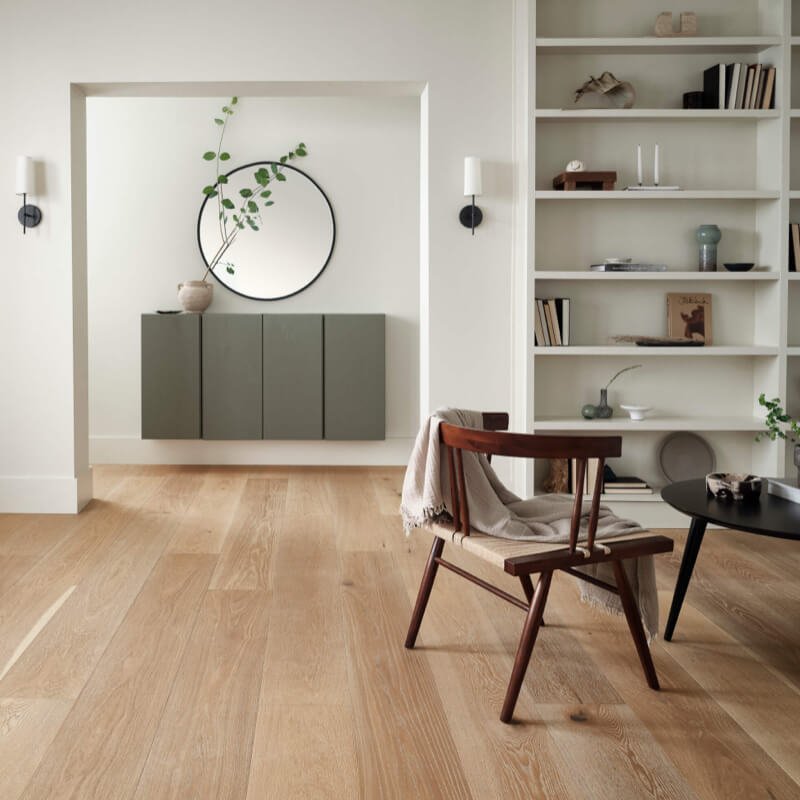
    * **Warm Wood Tones**: Earthy richness is back. Shades of honey, caramel, and chestnut are replacing cooler palettes, creating a cozy and timeless ambiance.
    * **Biophilic Design**: The desire to bring nature indoors remains a dominant force. This includes the use of sustainable materials like solid hardwood and stone that create a deep connection to the outdoors.
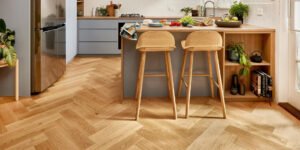
    * **Geometric Patterns**: Herringbone and chevron patterns are seeing a massive resurgence, not just in wood but also in luxury vinyl and laminate, offering a bold focal point for any room.
    * **Mixed Materials**: Designers are increasingly blending textures, such as pairing wood-look porcelain with real stone or incorporating metallic inlays into luxury vinyl.
    * **Low-Maintenance Luxury**: Waterproof and scratch-resistant options like Luxury Vinyl Plank (LVP) and high-performance laminates continue to dominate due to their durability and ease of care.

    ## Industry News: Wood and Resilient Markets

    The market dynamics for flooring are shifting as economic factors and supply chain issues influence availability and pricing.

    | Category | Key News & Market Shifts |
    | :— | :— |
    | **Wood Flooring** | High-end engineered products are the “saving grace” of the category. While mid-tier sales have dipped, premium products with thicker wear layers remain in high demand. |
    | **Resilient Flooring** | The category continues to gain market share, driven by rigid core (SPC/WPC) innovations. Domestic manufacturing in the U.S. is expanding to mitigate global supply chain risks. |
    | **Supply Chain** | Tariffs on imports are forcing companies to manage inventory more conservatively, leading to potential shortages in certain high-cost engineered wood products. |
    | **Raw Materials** | Competition for white oak is intense, as the flooring industry competes with the bourbon and furniture sectors for premium logs. |

    ## Evolving Regulations: Formaldehyde and PFAS

    Environmental and health safety standards are becoming more stringent, with new rules taking effect across the globe.

    ### EPA Formaldehyde Standards
    In February 2026, the U.S. Environmental Protection Agency (EPA) proposed significant updates to the **Formaldehyde Emission Standards for Composite Wood Products**. These updates include new voluntary consensus standards and refined quality control test methods to ensure that composite wood products sold in the U.S. meet strict safety limits.

    ### The Rise of PFAS Bans
    State-level actions against **PFAS (per- and polyfluoroalkyl substances)**, often called “forever chemicals,” are sweeping the nation.
    * **State Bans**: States like Minnesota, California, and New Mexico have enacted bans on intentionally added PFAS in products like carpets, rugs, and fabric treatments.
    * **Phased Restrictions**: Many of these laws include phases that will lead to a full ban on all consumer goods containing PFAS by 2030-2032.
    * **Industry Response**: Leading manufacturers have already begun reformulating coatings and treatments to eliminate PFAS, ensuring compliance with these emerging standards.

    ## Conclusion
    Whether you are choosing the timeless beauty of a herringbone hardwood floor or the practical durability of a rigid core resilient plank, the choices for 2026 are more diverse and safer than ever. By staying ahead of these trends and regulations, you can ensure your flooring project is not only stylish but also sustainable and compliant with the latest health standards.


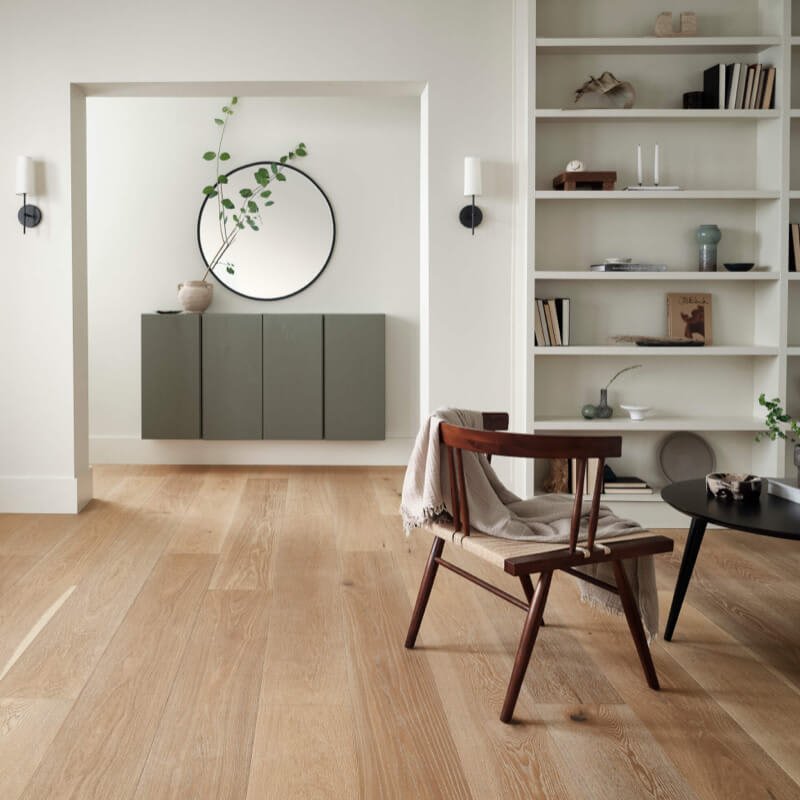
    *Image Reference: Modern warm-toned wood flooring in a contemporary interior.*
  • 2026 Flooring Outlook: Trends, News, and Regulations in Wood and Resilient Surfaces

    The flooring industry in 2026 is undergoing a profound transformation, moving away from the “gray era” toward a future defined by warmth, high-performance materials, and stringent environmental accountability. For homeowners and professionals alike, the focus has shifted from mere aesthetics to a “performance-first” mindset.

    ## The Resilient Revolution: Hybrid Solutions Take Center Stage

    Resilient flooring continues to dominate the market, but consumer expectations have reached new heights. The breakout trend for 2026 is the Hybrid Resilient category. This innovative material bridges the gap between traditional laminate and luxury vinyl plank (LVP), offering the extreme dent resistance of wood-based cores with the waterproof reliability of synthetics.

    Large-format planks—some reaching over 60 inches in length—are also becoming the standard, reducing seams to create a more hygienic, visually expansive “seamless transition” throughout the home.

    ## Wood Flooring: The Return of Warmth and Craftsmanship

    Wood remains the gold standard for luxury, but the look is changing. The cold, gray tones of the past decade are being replaced by a “Crème Brûlée” palette: toasty notes of vanilla, honey oak, and rich walnuts.

    Key trends in the wood sector include:
    – Pattern Play: Herringbone, chevron, and intricate parquet inlays are transforming floors into design focal points.
    – Invisible Finishes: Ultra-matte, waterborne coatings that protect the wood while making it look raw and untreated.
    – Restoration over Renovation: Driven by sustainability, over 75% of homeowners now prefer refinishing existing hardwoods, which can reduce carbon emissions by nearly 90% compared to replacement.

    ## Regulatory Landscape: The PFAS Ban and Sustainability

    2026 marks a critical turning point for industry regulations. Sweeping state-level bans on PFAS (per- and polyfluoroalkyl substances), often called “forever chemicals,” are taking effect. Manufacturers are now required to provide full material transparency, with certifications like FloorScore and GreenGuard becoming essential for market entry.

    Sustainability has evolved from a buzzword into a performance metric. Low-VOC emissions and carbon accountability are now primary drivers in the buying process, as consumers prioritize indoor air quality for their families.

    ## Market Dynamics: A Year of Rebound

    After a challenging period, the flooring industry is primed for a rebound in 2026. While tariffs on imported engineered wood have pressured margins, domestic manufacturing is expanding to fill the gap. The high-end hardwood market remains resilient, supported by luxury real estate buyers who value authenticity and long-term durability.

  • The Future of Flooring: 2026 Trends, Market Insights, and Regulatory Shifts

    Modern warm toned wood flooring interior design 2026

    As we navigate through 2026, the flooring industry is witnessing a significant transformation driven by economic factors, evolving consumer preferences, and stringent new regulations. Whether you are a homeowner, a designer, or an industry professional, staying ahead of these changes is crucial for making informed decisions. Here is a comprehensive summary of the latest news and trends in the wood and resilient flooring sectors.

    1. Market Outlook: Resilience Amidst Economic Headwinds

    The flooring market in 2026 is characterized by a “wait-and-see” approach. While interest rates have seen slight reductions, their impact on mortgage applications and remodeling projects remains gradual.

    • Wood Flooring: Industry leaders remain cautiously optimistic. While the overall market is expected to be flat, there is notable growth in the high-end premium segment. Consumers are increasingly investing in quality over quantity, favoring domestic production to avoid tariff-related uncertainties.
    • Resilient Flooring: This category continues to lead the market in terms of volume and value. Its “resiliency” is evident as it holds steady compared to other categories like carpet and tile. The demand is being bolstered by an aging housing stock in the U.S., which is creating a “pent-up” demand for replacements.

    2. Top Design Trends for 2026

    Style meets practicality in this year’s top flooring trends. The focus is on creating spaces that feel grounded, warm, and easy to maintain.

    • Warm Tones & Natural Textures: The era of cool grays is fading. In its place, honey, caramel, and chestnut tones are bringing earthy richness back to interiors. Biophilic design—bringing the outdoors in—remains a dominant force, favoring natural wood grains and stone textures.
    • Wider and Longer Planks: The demand for “grandeur” continues, with 9-inch wide planks and longer boards becoming the standard for premium installations.
    • Mixed Materials & Patterns: Designers are experimenting with mixing textures, such as wood-look porcelain paired with real stone. Geometric patterns like herringbone and chevron are also making a strong comeback across all material types.
    • Low-Maintenance Luxury: Busy households are gravitating towards high-performance options like Luxury Vinyl Plank (LVP) and Engineered Hardwood with advanced finishes (e.g., waterproof and scratch-resistant coatings) that offer the beauty of wood without the upkeep.

    3. Regulatory and Sustainability Updates

    2026 is a pivotal year for flooring regulations, with a heavy emphasis on health and environmental impact.

    • PFAS “Forever Chemicals” Bans: A major shift is occurring as multiple states implement bans on PFAS in consumer products, including flooring. Manufacturers are racing to phase out these chemicals from water- and stain-resistant treatments.
    • Formaldehyde Standards: Compliance with TSCA Title VI remains mandatory for all composite wood products. The EPA is actively modernizing these standards to ensure lower emissions and better air quality in homes.
    • Sustainability Mandates: The industry is moving towards greater transparency. The Flooring Sustainability Summit 2026 highlights a shared vision for circularity, with increased use of recycled content and low-VOC (Volatile Organic Compound) materials.

    4. Industry Challenges: Labor and Trade

    Despite the positive trends, two major hurdles remain:

    • The Talent Gap: Finding skilled installers is a persistent challenge. The industry is responding with increased investment in apprenticeship programs and certifications to recruit a younger workforce.
    • Trade Policy: Fluctuating tariffs continue to impact sourcing strategies. Many suppliers are shifting towards domestic manufacturing to ensure price stability and consistent supply.

    Conclusion

    The flooring landscape of 2026 is one of refined quality and conscious choices. As technology improves the durability of resilient options and regulations ensure the safety of wood products, the focus remains on creating beautiful, sustainable, and long-lasting foundations for our homes.


    Stay tuned for more updates on the latest in home design and industry news.

  • 2026 Flooring Outlook: Trends, News, and Regulations in Wood and Resilient Surfaces

  • 2025 Flooring Outlook: Trends, News, and Regulations in Wood and Resilient Surfaces

    # 2025 Flooring Industry Outlook: Wood, Resilient, and the Regulatory Landscape

    As we move further into 2025, the flooring industry is navigating a complex landscape defined by economic shifts, evolving consumer tastes, and stringent new regulations. Whether you’re a professional in the trade or a homeowner planning a renovation, staying informed on these trends is crucial for making the right choices.

    ## Resilient Flooring: Holding Steady Amidst Economic Headwinds
    The resilient flooring category continues to live up to its name. While 2025 isn’t breaking records, it is outperforming other segments like carpet and hardwood.

    * **Market Dynamics:** High interest rates and limited housing inventory have slowed new construction, shifting the focus toward **remodeling and renovation**.
    * **Challenges:** The industry is grappling with **tariff uncertainty** and a significant **shortage of skilled installers**, leading to a push for products that are easier to install, such as interlocked floating floors.
    * **Bright Spots:** Commercial sectors—particularly **healthcare and education**—remain strong, providing a stable foundation for resilient manufacturers.

    ## Wood Flooring: A Return to Nature
    The wood flooring industry is entering 2025 with a sense of “cautious optimism.” Over 60% of industry professionals expect sales growth this year.

    * **Design Trends:** There is a definitive shift toward **natural wood colors and matte finishes**. White oak remains the undisputed king of species, often requested in longer and wider planks.
    * **The “Wood-Look” Rivalry:** Real wood continues to face stiff competition from LVT, WPC, and laminate. However, the industry is fighting back by emphasizing wood’s **sustainability, longevity, and health benefits** (like better indoor air quality).
    * **Innovation:** Engineered wood flooring is growing in popularity as consumers seek the beauty of wide planks with better stability against seasonal movement.

    ## Critical Regulatory Shifts: PFAS and Sustainability
    2025 marks a turning point for environmental regulations in the flooring industry.

    * **PFAS Bans:** Several states, including **Minnesota and Colorado**, have implemented bans on “forever chemicals” (PFAS) in floor coverings and coatings starting January 1, 2025. Major manufacturers have already begun reformulating products to comply.
    * **Lacey Act & Trade:** Compliance with the Lacey Act remains a top priority to ensure the legal sourcing of timber, especially with ongoing scrutiny of international supply chains.
    * **Eco-Conscious Choices:** Sustainability is no longer optional. We are seeing a surge in demand for **cork, bio-based terrazzo, and recyclable rubber flooring**.

    ## Looking Ahead
    The theme for 2025 is **durability meets wellness**. Consumers are looking for floors that not only look good but also contribute to a healthier indoor environment and a smaller carbon footprint. As the housing market stabilizes, the pent-up demand for these high-performance, eco-friendly solutions is expected to drive the next wave of industry growth.

  • 2026 Flooring Outlook: Trends, News, and Regulations in Wood and Resilient Surfaces

    As we look toward 2026, the flooring industry is undergoing a significant transformation. The “cool and clinical” aesthetic that dominated the last decade is being replaced by a desire for organic warmth, tactile authenticity, and rigorous environmental responsibility. Whether you are considering the timeless appeal of hardwood or the versatile performance of resilient flooring, here are the key trends and regulations shaping the landscape.

    1. The Return of Warmth: “Warm Minimalism”

    The era of stark grays and whitewashed floors has transitioned into what designers call “Warm Minimalism.” In 2026, homeowners are embracing honey-toned oaks, rich caramels, and soft amber hues. This shift is designed to make large, open-concept spaces feel more grounded and inviting.

    2. Grand Scale and Authentic Patterns

    Standard plank widths are being surpassed by the “Grand Look.”

    • Wood: 7-inch to 10-inch wide planks are the new standard for luxury, often installed in variable widths to mimic historic European estates.
    • Patterns: Oversized Herringbone and Chevron patterns are making a sophisticated comeback, using longer planks to create bold architectural statements.

    3. Sensory Realism and Matte Finishes

    High-gloss, mirror-like finishes are a thing of the past.

    • Tactile Texture: Light wire-brushing and hand-sculpted edges provide a 3D quality that hides wear while feeling natural underfoot.
    • Invisible Finishes: Ultra-matte coatings are trending, protecting the wood while making it look raw and untreated.
    • Resilient Innovation: For LVT and SPC, “Synchronized Embossing” (EIR) technology now matches surface texture perfectly with the printed grain, making it nearly indistinguishable from real wood.

    4. The Sustainability Movement

    Eco-consciousness is no longer a hidden benefit; it is a primary style statement.

    • Character Grade Wood: Homeowners are choosing species that proudly show knots, burls, and mineral streaks, celebrating the life of the tree.
    • PVC-Free Resilient: A growing movement toward PVC-free alternatives like Polypropylene and PET is gaining traction as consumers seek to reduce their environmental footprint.

    5. Regulatory Updates and Standards

    The industry is seeing stricter oversight to ensure indoor air quality and product safety:

    • Formaldehyde Standards: The EPA has proposed updates to the Formaldehyde Emission Standards for Composite Wood Products (TSCA Title VI) to incorporate the latest test methods.
    • New European Standards: The introduction of EN 14354:2026 provides updated requirements and test methods specifically for wood veneer floor coverings.
    • Restoration over Renovation: Sustainability is driving a shift toward refinishing existing floors, which can reduce carbon emissions by over 89% compared to full replacement.

    Summary Table: Wood vs. Resilient Trends 2026

    Feature Wood Flooring Trends Resilient (LVT/SPC) Trends
    Primary Color Honey, Amber, Rich Caramel “Greige”, Warm Taupe, Sun Oak
    Finish Ultra-Matte, “Invisible” Low-Reflectivity Matte
    Texture Wire-brushed, Hand-sculpted Synchronized Embossing (EIR)
    Sustainability Character Grade, Restoration PVC-Free, Recyclable Materials
    Installation Ultra-Wide, Variable Width Oversized Planks, Modern Herringbone

    Whether you prioritize the natural soul of wood or the durability of resilient materials, 2026 is about creating a home that feels authentic, healthy, and enduring.

  • 2026 Flooring Outlook: Trends and Regulations in Wood and Resilient Flooring

    As we move into 2026, the flooring industry is witnessing a significant shift driven by technological innovation, aesthetic refinement, and stringent environmental regulations. Both the wood and resilient flooring sectors are adapting to new consumer demands and global compliance standards. This report summarizes the key findings for the upcoming year.

    Key Trends in Wood Flooring

    Wood remains a timeless choice, but 2026 brings a move toward more "intentional" and natural aesthetics.

    • <strong>Warm and Toasty Palettes:</strong> Designers are moving away from the bleached white oak and cool grays that dominated previous years. Instead, mid-tone and richer, darker wood tones are gaining popularity, creating a sense of warmth and coziness in residential spaces.
    • <strong>Patterned Hardwoods:</strong> Intricate patterns like herringbone and chevron are seeing a resurgence, but with a modern twist. Large-scale patterns and mixed-width planks are being used to create visual interest and a custom-built feel.
    • <strong>Natural Finishes:</strong> There is a strong preference for matte and low-gloss finishes that highlight the natural grain and texture of the wood, moving away from high-shine surfaces.

    Key Trends in Resilient Flooring

    The resilient category, including LVT (Luxury Vinyl Tile) and SPC (Stone Plastic Composite), continues to lead the industry in terms of growth and innovation.

    • <strong>Realism through Technology:</strong> Manufacturers are leveraging advanced digital printing and embossing techniques to create resilient products that are virtually indistinguishable from natural wood or stone. The focus is on "Meaningful Innovation" that enhances the visual appeal and tactile experience.
    • <strong>Performance and Durability:</strong> Waterproof and water-resistant features remain standard, but 2026 sees an increased focus on sound absorption, scratch resistance, and ease of installation. Rigid core products (SPC) continue to dominate due to their stability and performance.
    • <strong>Premium WPC (Wood Plastic Composite):</strong> There is a growing market for premium WPC products that offer a thicker, softer underfoot feel while maintaining the durability of resilient flooring.

    Regulatory Landscape and Compliance

    Environmental and health standards are becoming more rigorous, influencing how flooring is manufactured and sourced globally.

    • <strong>EU Deforestation Regulation (EUDR):</strong> A major development in late 2025 was the EU's decision to delay the primary enforcement of the EUDR until <strong>December 30, 2026</strong>, for large operators. This provides a critical window for the U.S. hardwood industry to implement compliance systems like the American Hardwood Assured (AHA) platform to prove legal and deforestation-free origins.
    • <strong>VOC Emissions and Indoor Air Quality:</strong> Standards like FloorScore, GREENGUARD Gold, and CARB Phase 2/TSCA Title VI remain crucial. In 2026, there is an even greater emphasis on low-VOC options, particularly in commercial and multi-family housing sectors, to support healthier indoor environments.
    • <strong>Sustainability and Circularity:</strong> Recyclable materials and products with a lower carbon footprint are becoming more prominent. Manufacturers are increasingly audited not just for the final product, but for the entire production process.

    Conclusion

    The flooring industry in 2026 is characterized by a balance of classic beauty and modern performance. While wood flooring embraces warmer, more traditional tones, resilient flooring continues to push the boundaries of realism and durability. Navigating the evolving regulatory environment, particularly around sustainability and emissions, will be essential for manufacturers and retailers to succeed in the coming years.

  • Flooring Forward: Wood and Resilient Trends and Regulations for 2026

    The flooring industry is entering 2026 with a blend of cautious optimism and strategic adaptation. As homeowners and commercial developers navigate a shifting economic landscape, the demand for high-quality, sustainable, and aesthetically pleasing flooring solutions remains robust. This report summarizes the key findings in news, trends, and regulations for the wood and resilient flooring sectors.

    Market Outlook and Industry News

    The 2026 outlook for the wood flooring industry is generally positive, with nearly 60% of businesses expecting stronger sales compared to previous years. However, this growth is tempered by factors such as high interest rates and a projected slowdown in remodeling activity, according to the Leading Indicator of Remodeling Activity (LIRA).

    In the resilient sector, the category continues to demonstrate its “resiliency,” holding steady even as other flooring types face steeper declines. The market is increasingly dominated by domestic manufacturing as companies seek to mitigate the risks associated with global supply chain volatility.

    Key Trends for 2026

    1. The Return to Nature

    Consumers are moving away from the gray and cool tones that dominated the last decade. Instead, warm wood tones, natural textures, and matte finishes are taking center stage. White oak remains the top choice for domestic hardwood, while brown and honey tones are seeing a significant resurgence.

    2. High-Performance Resilient Solutions

    In the resilient category, Luxury Vinyl Tile (LVT) and Stone Plastic Composite (SPC) continue to evolve. The focus for 2026 is on digital realism—products that not only look like real wood or stone but also mimic their tactile feel. Waterproofing remains a standard requirement, with oversized planks and herringbone patterns trending in both residential and commercial spaces.

    3. Sustainability as a Standard

    Eco-friendly materials are no longer a niche preference; they are the industry standard. There is a growing demand for products with high recycled content, as well as rapidly renewable materials like cork and bamboo.

    Regulatory Landscape and Trade Policies

    Formaldehyde Standards (TSCA Title VI)

    A major regulatory update occurred in early 2026. On February 6, 2026, the EPA proposed updates to the Formaldehyde Emission Standards for Composite Wood Products under TSCA Title VI. These updates aim to align federal standards with the latest voluntary consensus standards and introduce new quality control test methods, such as laser absorption spectroscopy, to ensure lower emissions and better indoor air quality.

    Tariffs and Trade Uncertainty

    Tariffs remain a significant concern for the industry. New trade actions in late 2025 and early 2026 have seen tariffs of up to 20-25% on certain imported hardwood, laminate, and plywood products. This has led many manufacturers to increase prices, shift to domestic suppliers, and increase inventory levels to hedge against future policy changes.

    Conclusion

    For 2026, the flooring industry is defined by a shift toward domestic stability, sustainable innovation, and warmer, natural aesthetics. While economic headwinds like interest rates persist, the industry’s focus on regulatory compliance and high-performance materials ensures it remains a vital component of the modern built environment.

  • The Future Underfoot: Key Trends and Regulations Shaping Wood and Resilient Flooring in 2026

    Modern Herringbone Wood Flooring

    The flooring industry is currently undergoing a significant transformation, driven by a powerful blend of aesthetic demand and functional necessity. As we look ahead to 2026, the market for both wood and resilient flooring is defined by a commitment to durability, sustainability, and sophisticated design. The days of flooring being a mere afterthought are over; it is now an intentional design element that must also meet stringent performance and environmental standards.

    Wood Flooring: The Return of Classic Elegance and Practicality

    Wood flooring trends are leaning heavily into classic patterns and practical finishes, signaling a move toward timeless, character-rich interiors.

    One of the most notable trends is the resurgence of the Herringbone pattern. This interlocking V-shaped design brings a vintage European character to a space, offering a sense of quiet luxury. It is becoming increasingly accessible, available in both traditional solid wood and high-performance Luxury Vinyl Plank (LVP) variations.

    Functionally, the industry is embracing Matte Finishes. High-gloss surfaces are being phased out in favor of natural-looking matte and satin finishes. This shift is highly practical, as matte surfaces are far more effective at concealing scratches, dust, and minor imperfections. Furthermore, the trend toward Wide Plank Floors continues to dominate, as the broader planks make rooms feel larger and more elegant while emphasizing the wood’s natural grain and reducing visual clutter from seams. In terms of color, light wood tones, particularly White Oak with natural finishes, remain the preferred choice, with designers advising against woods that carry orange undertones.

    Resilient Flooring: Growth, Innovation, and Realistic Aesthetics

    The resilient flooring market, which includes materials like Luxury Vinyl Tile (LVT), linoleum, and rubber, is experiencing robust growth. Valued at an estimated $33.2 billion in 2025, the market is projected to reach $54.9 billion by 2033, registering a compound annual growth rate (CAGR) of 6.5%.

    Luxury Vinyl Tile (LVT) remains the primary growth driver, prized for its durability, water resistance, and design flexibility. Manufacturers are leveraging advanced digital printing and embossing technologies to create ultra-realistic textures that convincingly mimic natural materials like wood and stone. This focus on aesthetics is paired with functional innovation, as click-lock and loose lay installation systems are simplifying the process for both professionals and DIY enthusiasts, reducing labor time and cost.

    Beyond residential use, resilient flooring is being prioritized in commercial sectors, particularly in healthcare and education, where its hygiene, ease of cleaning, and slip resistance are critical. Furthermore, flooring is increasingly recognized as a key component in building design for its role in acoustic solutions, helping to reduce noise levels and enhance occupant satisfaction in multi-family and commercial buildings.

    Regulations and the Push for Sustainability

    The most significant overarching trend is the industry-wide commitment to sustainability and health. Regulatory and consumer pressure is driving innovation toward healthier, low-emission products.

    In conclusion, the flooring market is moving toward a future where performance and aesthetic appeal are inseparable from environmental responsibility. Whether it is the classic, durable elegance of a matte, wide-plank wood floor or the high-tech, sustainable realism of LVT, the latest trends reflect a sophisticated consumer base that demands the best of both form and function.

  • The 2025 Flooring Forecast: Warm Woods, Textured Finishes, and Resilient Durability

    The flooring industry is undergoing a significant transformation in 2025, moving away from the cool, minimalist aesthetics of the past decade. The new focus is on authenticity, warmth, and high performance, driven by a desire for more natural and sustainable living spaces. This shift is evident in both the wood and resilient flooring categories, with a clear return to classic, inviting styles.

    Wood Flooring Trends: The Return to Warmth

    The most striking trend in wood flooring is the decisive move away from gray and blonder tones. Designers are embracing warmer, earthier woods like honey oak and walnut, which create a cozy, inviting ambiance. This is a resurgence of traditional wood colors, signaling a desire for a more grounded and classic look.

    A key element of this warmth is texture. Glossy, high-sheen finishes are out, replaced by organic aesthetics like wire-brushed, matte, and hand-scraped surfaces. These tactile finishes not only align with natural design styles but also offer the practical benefit of better concealing everyday wear in high-traffic areas.

    Design is also becoming more intricate, with geometric patterns such as chevron and herringbone making a strong comeback. These classic patterns, which date back centuries, are being reinterpreted to add depth and visual complexity to modern entryways and open-concept spaces.

    Underpinning these aesthetic changes is a strong commitment to biophilic design and sustainability. Consumers are increasingly demanding cleaner, safer products with low carbon footprints, leading to a preference for natural materials like bamboo, cork, and even marmoleum (natural linoleum).

    Resilient Flooring: The Durable Performer

    While the wood market focuses on aesthetics, the resilient flooring category is proving its market resilience in the face of economic headwinds like high interest rates and a slow housing market. Categories like Luxury Vinyl Tile (LVT) are holding their own, outperforming carpet and hardwood in a challenging year.

    The current market is seeing a shift in demand from new construction to remodel and renovation projects. With homeowners staying put due to high mortgage rates, they are investing in targeted remodels where resilient flooring shines due to its durability, water resistance, and easy maintenance. This focus on high-performance products ensures that the floors can stand the test of time.

    Furthermore, the push for sustainability is also impacting resilient products, with commercial trends highlighting PVC-free and Red List Free collections that are inspired by natural elements. This aligns with the broader regulatory trend where consumers are preferring products made without potentially harmful chemicals like VOCs and PFAs.

    Conclusion

    The 2025 flooring landscape is defined by a clear theme: a return to the natural, the warm, and the durable. Whether it’s the rich, textured look of a walnut floor or the high-performance, sustainable nature of modern resilient products, the future of flooring is about creating authentic, long-lasting, and inviting spaces.