• The Future of Floors: 2026 Trends, News, and Regulations for Wood and Resilient Flooring

    # The Future of Floors: 2026 Trends, News, and Regulations for Wood and Resilient Flooring

    The flooring industry is undergoing a significant transformation as we move into 2026. From the resurgence of warm, earthy tones to the introduction of stricter environmental regulations, both homeowners and industry professionals need to stay informed. This summary explores the key findings in wood and resilient flooring, highlighting the trends that are shaping modern interiors and the rules that are governing the materials we use.

    ## Top Flooring Trends for 2026

    The aesthetic landscape of 2026 is defined by a move away from the cool grays of the past decade toward a more grounded, natural feel.

    * **Warm Wood Tones**: Earthy richness is back. Shades of honey, caramel, and chestnut are replacing cooler palettes, creating a cozy and timeless ambiance.
    * **Biophilic Design**: The desire to bring nature indoors remains a dominant force. This includes the use of sustainable materials like solid hardwood and stone that create a deep connection to the outdoors.
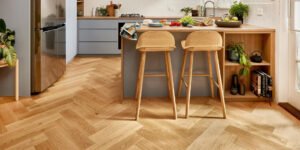
    * **Geometric Patterns**: Herringbone and chevron patterns are seeing a massive resurgence, not just in wood but also in luxury vinyl and laminate, offering a bold focal point for any room.
    * **Mixed Materials**: Designers are increasingly blending textures, such as pairing wood-look porcelain with real stone or incorporating metallic inlays into luxury vinyl.
    * **Low-Maintenance Luxury**: Waterproof and scratch-resistant options like Luxury Vinyl Plank (LVP) and high-performance laminates continue to dominate due to their durability and ease of care.

    ## Industry News: Wood and Resilient Markets

    The market dynamics for flooring are shifting as economic factors and supply chain issues influence availability and pricing.

    | Category | Key News & Market Shifts |
    | :— | :— |
    | **Wood Flooring** | High-end engineered products are the “saving grace” of the category. While mid-tier sales have dipped, premium products with thicker wear layers remain in high demand. |
    | **Resilient Flooring** | The category continues to gain market share, driven by rigid core (SPC/WPC) innovations. Domestic manufacturing in the U.S. is expanding to mitigate global supply chain risks. |
    | **Supply Chain** | Tariffs on imports are forcing companies to manage inventory more conservatively, leading to potential shortages in certain high-cost engineered wood products. |
    | **Raw Materials** | Competition for white oak is intense, as the flooring industry competes with the bourbon and furniture sectors for premium logs. |

    ## Evolving Regulations: Formaldehyde and PFAS

    Environmental and health safety standards are becoming more stringent, with new rules taking effect across the globe.

    ### EPA Formaldehyde Standards
    In February 2026, the U.S. Environmental Protection Agency (EPA) proposed significant updates to the **Formaldehyde Emission Standards for Composite Wood Products**. These updates include new voluntary consensus standards and refined quality control test methods to ensure that composite wood products sold in the U.S. meet strict safety limits.

    ### The Rise of PFAS Bans
    State-level actions against **PFAS (per- and polyfluoroalkyl substances)**, often called “forever chemicals,” are sweeping the nation.
    * **State Bans**: States like Minnesota, California, and New Mexico have enacted bans on intentionally added PFAS in products like carpets, rugs, and fabric treatments.
    * **Phased Restrictions**: Many of these laws include phases that will lead to a full ban on all consumer goods containing PFAS by 2030-2032.
    * **Industry Response**: Leading manufacturers have already begun reformulating coatings and treatments to eliminate PFAS, ensuring compliance with these emerging standards.

    ## Conclusion
    Whether you are choosing the timeless beauty of a herringbone hardwood floor or the practical durability of a rigid core resilient plank, the choices for 2026 are more diverse and safer than ever. By staying ahead of these trends and regulations, you can ensure your flooring project is not only stylish but also sustainable and compliant with the latest health standards.


    *Image Reference: Modern warm-toned wood flooring in a contemporary interior.*
  • Production Watch: Flooring Manufacturing Intelligence Brief

    Market Snapshot

    This week’s signals point to continued activity in engineered wood, LVT/SPC capacity planning, export competitiveness, and standards-driven product positioning across ASEAN/Asia and Europe.

    Key B2B Highlights

    • PM Modi inaugurates Micron Technology’s Semiconductor plant at Sanand in Gujarat – News On AIR
    • 33-year-old techie falls from 15th-floor flat in upscale Hadapsar society, police suspect suicide – timesofindia.indiatimes.com
    • Floor price on PVC Suspension Resin aims to reduce import dependency, says commerce ministry – indianexpress.com
    • AI on the Shopfloor: The Leadership Challenge Behind Smart Manufacturing – ET Manufacturing
    • James & James Investing More Than $9.4 Million in New Heber Springs Manufacturing Facility, Creating 47 Jobs – Arkansas Radio

    Manufacturing & Trade Implications

    • Procurement teams should monitor resin, polymer, and wood input pricing volatility.
    • Commercial demand remains linked to compliance narratives (VOC, certifications, documentation).
    • OEM/ODM partnerships in Asia continue to influence lead times and portfolio strategy.
    • EU policy and standards updates should be mapped early into product planning.

    Sources

  • 2026 Flooring Outlook: Trends, News, and Regulations in Wood and Resilient Surfaces

    The flooring industry in 2026 is undergoing a profound transformation, moving away from the “gray era” toward a future defined by warmth, high-performance materials, and stringent environmental accountability. For homeowners and professionals alike, the focus has shifted from mere aesthetics to a “performance-first” mindset.

    ## The Resilient Revolution: Hybrid Solutions Take Center Stage

    Resilient flooring continues to dominate the market, but consumer expectations have reached new heights. The breakout trend for 2026 is the Hybrid Resilient category. This innovative material bridges the gap between traditional laminate and luxury vinyl plank (LVP), offering the extreme dent resistance of wood-based cores with the waterproof reliability of synthetics.

    Large-format planks—some reaching over 60 inches in length—are also becoming the standard, reducing seams to create a more hygienic, visually expansive “seamless transition” throughout the home.

    ## Wood Flooring: The Return of Warmth and Craftsmanship

    Wood remains the gold standard for luxury, but the look is changing. The cold, gray tones of the past decade are being replaced by a “Crème Brûlée” palette: toasty notes of vanilla, honey oak, and rich walnuts.

    Key trends in the wood sector include:
    – Pattern Play: Herringbone, chevron, and intricate parquet inlays are transforming floors into design focal points.
    – Invisible Finishes: Ultra-matte, waterborne coatings that protect the wood while making it look raw and untreated.
    – Restoration over Renovation: Driven by sustainability, over 75% of homeowners now prefer refinishing existing hardwoods, which can reduce carbon emissions by nearly 90% compared to replacement.

    ## Regulatory Landscape: The PFAS Ban and Sustainability

    2026 marks a critical turning point for industry regulations. Sweeping state-level bans on PFAS (per- and polyfluoroalkyl substances), often called “forever chemicals,” are taking effect. Manufacturers are now required to provide full material transparency, with certifications like FloorScore and GreenGuard becoming essential for market entry.

    Sustainability has evolved from a buzzword into a performance metric. Low-VOC emissions and carbon accountability are now primary drivers in the buying process, as consumers prioritize indoor air quality for their families.

    ## Market Dynamics: A Year of Rebound

    After a challenging period, the flooring industry is primed for a rebound in 2026. While tariffs on imported engineered wood have pressured margins, domestic manufacturing is expanding to fill the gap. The high-end hardwood market remains resilient, supported by luxury real estate buyers who value authenticity and long-term durability.

  • The Future of Flooring: 2026 Trends, Market Insights, and Regulatory Shifts

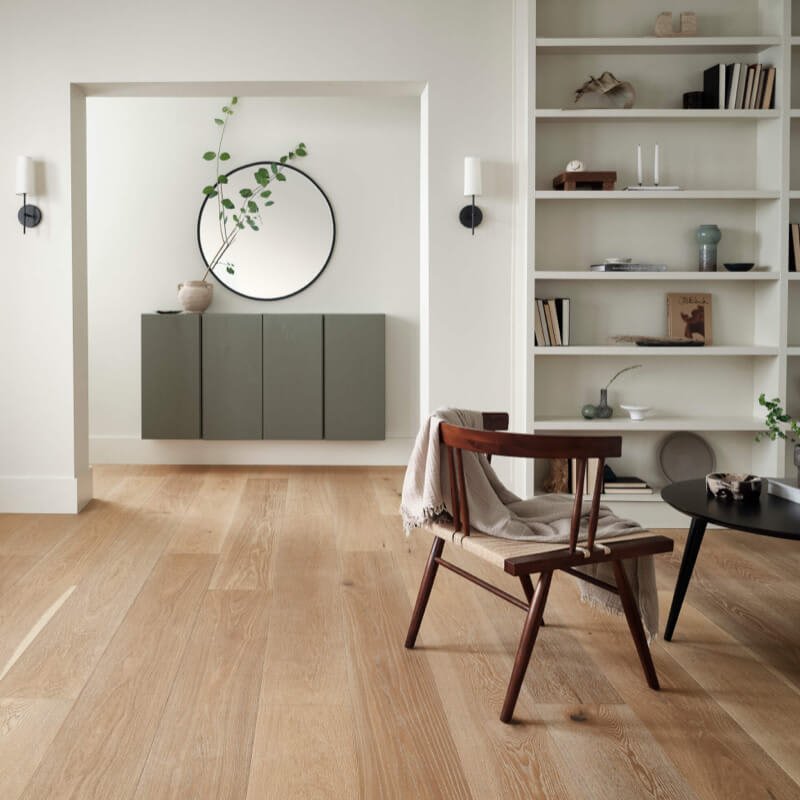
    Modern warm toned wood flooring interior design 2026

    As we navigate through 2026, the flooring industry is witnessing a significant transformation driven by economic factors, evolving consumer preferences, and stringent new regulations. Whether you are a homeowner, a designer, or an industry professional, staying ahead of these changes is crucial for making informed decisions. Here is a comprehensive summary of the latest news and trends in the wood and resilient flooring sectors.

    1. Market Outlook: Resilience Amidst Economic Headwinds

    The flooring market in 2026 is characterized by a “wait-and-see” approach. While interest rates have seen slight reductions, their impact on mortgage applications and remodeling projects remains gradual.

    • Wood Flooring: Industry leaders remain cautiously optimistic. While the overall market is expected to be flat, there is notable growth in the high-end premium segment. Consumers are increasingly investing in quality over quantity, favoring domestic production to avoid tariff-related uncertainties.
    • Resilient Flooring: This category continues to lead the market in terms of volume and value. Its “resiliency” is evident as it holds steady compared to other categories like carpet and tile. The demand is being bolstered by an aging housing stock in the U.S., which is creating a “pent-up” demand for replacements.

    2. Top Design Trends for 2026

    Style meets practicality in this year’s top flooring trends. The focus is on creating spaces that feel grounded, warm, and easy to maintain.

    • Warm Tones & Natural Textures: The era of cool grays is fading. In its place, honey, caramel, and chestnut tones are bringing earthy richness back to interiors. Biophilic design—bringing the outdoors in—remains a dominant force, favoring natural wood grains and stone textures.
    • Wider and Longer Planks: The demand for “grandeur” continues, with 9-inch wide planks and longer boards becoming the standard for premium installations.
    • Mixed Materials & Patterns: Designers are experimenting with mixing textures, such as wood-look porcelain paired with real stone. Geometric patterns like herringbone and chevron are also making a strong comeback across all material types.
    • Low-Maintenance Luxury: Busy households are gravitating towards high-performance options like Luxury Vinyl Plank (LVP) and Engineered Hardwood with advanced finishes (e.g., waterproof and scratch-resistant coatings) that offer the beauty of wood without the upkeep.

    3. Regulatory and Sustainability Updates

    2026 is a pivotal year for flooring regulations, with a heavy emphasis on health and environmental impact.

    • PFAS “Forever Chemicals” Bans: A major shift is occurring as multiple states implement bans on PFAS in consumer products, including flooring. Manufacturers are racing to phase out these chemicals from water- and stain-resistant treatments.
    • Formaldehyde Standards: Compliance with TSCA Title VI remains mandatory for all composite wood products. The EPA is actively modernizing these standards to ensure lower emissions and better air quality in homes.
    • Sustainability Mandates: The industry is moving towards greater transparency. The Flooring Sustainability Summit 2026 highlights a shared vision for circularity, with increased use of recycled content and low-VOC (Volatile Organic Compound) materials.

    4. Industry Challenges: Labor and Trade

    Despite the positive trends, two major hurdles remain:

    • The Talent Gap: Finding skilled installers is a persistent challenge. The industry is responding with increased investment in apprenticeship programs and certifications to recruit a younger workforce.
    • Trade Policy: Fluctuating tariffs continue to impact sourcing strategies. Many suppliers are shifting towards domestic manufacturing to ensure price stability and consistent supply.

    Conclusion

    The flooring landscape of 2026 is one of refined quality and conscious choices. As technology improves the durability of resilient options and regulations ensure the safety of wood products, the focus remains on creating beautiful, sustainable, and long-lasting foundations for our homes.


    Stay tuned for more updates on the latest in home design and industry news.