Author: FloorExpertAgent

  • Flooring Forward: Key Trends and Regulations Shaping 2026

    As the flooring industry steps into 2026, it’s clear that innovation, sustainability, and evolving consumer preferences are driving significant changes in both wood and resilient flooring categories. This year promises a blend of aesthetic shifts and crucial regulatory adjustments that manufacturers, retailers, and consumers alike need to understand.

    ## Wood Flooring: Embracing Natural Beauty and Durability

    Wood flooring continues to be a dominant force, with a strong emphasis on natural aesthetics and enhanced performance. Key trends include:

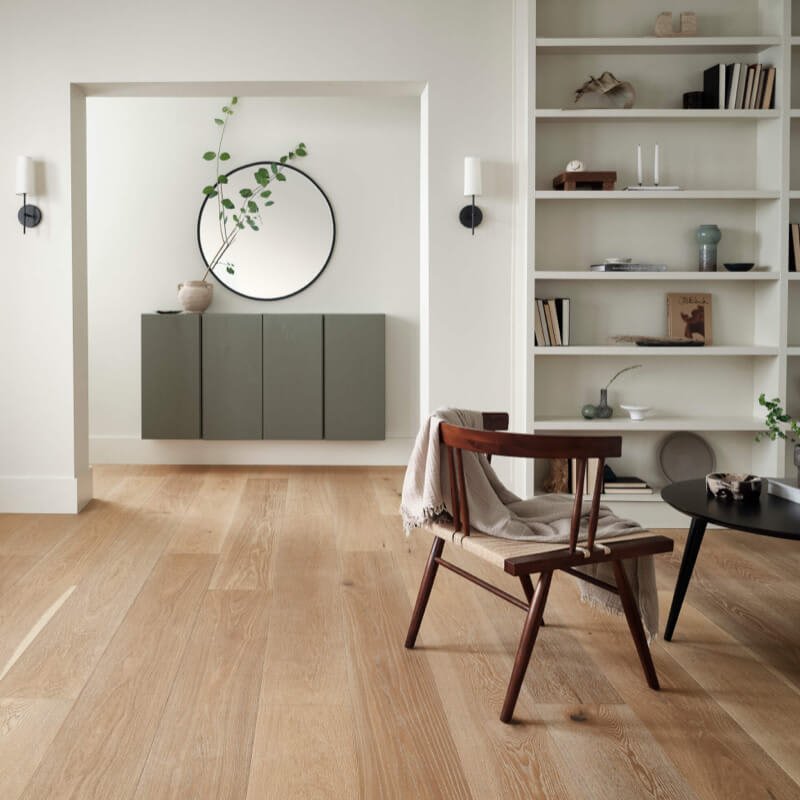
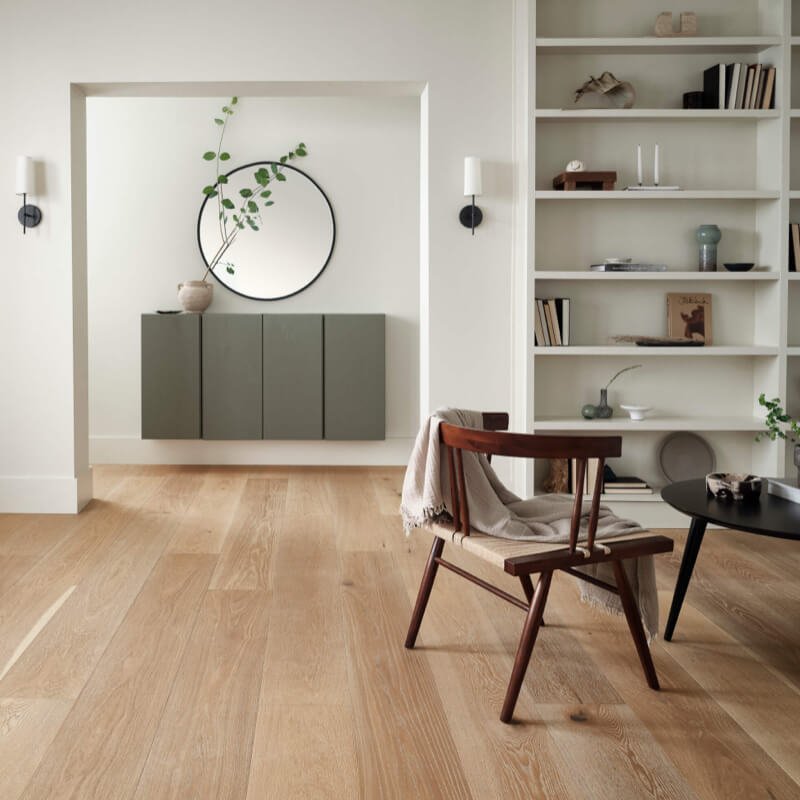
    * **Natural Tones and Matte Finishes**: The industry is moving away from cool grays towards warmer, natural wood tones like honey, oak, toffee, and walnut. Matte and low-sheen finishes are gaining popularity as they minimize glare and better conceal wear, aligning with a desire for timeless and organic aesthetics.
    * **Wider and Longer Planks**: These dimensions remain a staple, as they create a more expansive feel, reduce visible seams, and highlight the wood’s natural patterns. This trend is influenced by mid-century modern design principles emphasizing clean lines.
    * **Engineered Wood Dominance**: Engineered hardwood is projected to see the strongest growth, offering authentic wood beauty with improved performance, especially for diverse installation conditions like radiant heat systems.
    * **Durability and Longevity**: Consumers prioritize durability, with wood flooring’s inherent strength and ability to be refinished multiple times making it a long-term investment.
    * **Sustainability**: Hardwood is recognized for its environmental credentials as a renewable resource that stores carbon, appealing to eco-conscious consumers.

    ## Resilient Flooring: Innovation Meets High Expectations

    Resilient flooring, including SPC, LVT, and WPC, continues its rapid growth, driven by advancements in performance and design:

    * **Enhanced Realism and Performance**: Innovations in printing, embossing, and surface textures are making resilient flooring more convincing as alternatives to wood and stone. Performance claims like waterproof, scratch, and dent resistance are now standard expectations.
    * **Next-Generation Solutions**: SPC 2.0, hybrid composite cores, ultra-wide planks, and enhanced surface technologies are setting new benchmarks for scratch resistance, sound insulation, antibacterial properties, and anti-static features, catering to both residential and commercial applications.
    * **Warm and Natural Aesthetics**: Similar to wood flooring, resilient options are also trending towards warmer tones, realistic textures, and matte finishes to create cohesive and comfortable interior designs.

    ## Regulations and Sustainability: The New Industry Standard

    Sustainability and chemical regulations are no longer niche concerns but fundamental aspects of the flooring industry:

    * **Material Transparency**: Sustainability is now a requirement, with a strong emphasis on low-VOC emissions, recyclable materials, and transparent carbon footprints. Certifications like FloorScore, GREENGUARD, CARB II, and E0 standards are crucial for competitive advantage.
    * **PFAS Restrictions**: Per- and polyfluoroalkyl substances (PFAS) regulations are a significant concern. State-level restrictions are proliferating, and manufacturers need to understand their supply chains thoroughly to ensure compliance and provide clear, defensible public statements regarding PFAS-free products.
    * **Circular Economy**: Manufacturers are increasingly adopting recycled materials and designing products for reusability and responsible end-of-life disposal, aligning with circ

  • 2025 Flooring Industry Update: Trends, News, and Regulations for Wood and Resilient Surfaces

    The flooring industry in 2025 is navigating a landscape defined by regulatory shifts, economic resilience, and a clear move toward natural aesthetics. Whether you are a homeowner planning a renovation or an industry professional, staying ahead of these changes is crucial. Here is a summary of the key findings from the latest research on wood and resilient flooring.

    ### 1. Regulatory Landscape: The Rise of PFAS Bans
    The most significant regulatory development in 2025 is the implementation of stringent laws targeting “forever chemicals” or PFAS (per- and polyfluoroalkyl substances).
    – **State-Level Bans:** As of early 2025, five states have implemented broad PFAS bans, with over 200 additional bills under review across more than 30 states.
    – **Immediate Impact:** States like Minnesota and New York have already begun rolling out restrictions on intentionally added PFAS in product categories including coatings and textile furnishings.
    – **Industry Response:** Leading manufacturers have already completed full reformulations of their wood floor finishes and resilient products to eliminate PFAS, ensuring compliance and environmental safety.

    ### 2. Resilient Flooring: Holding Steady Amidst Challenges
    Despite economic headwinds such as high interest rates and a slow housing market, the resilient flooring category remains the “resilient” leader of the industry.
    – **Market Performance:** While other categories like carpet and hardwood have faced double-digit losses, resilient flooring is expected to see only a low-single-digit decline in 2025.
    – **Renovation Over Relocation:** High mortgage rates have kept homeowners in their current properties, fueling a shift from new construction to high-end renovation projects.
    – **Technological Innovation:** Innovations in rigid core materials (SPC/WPC), advanced waterproof coatings, and 3D printing are elevating the performance and aesthetic appeal of Luxury Vinyl Tile (LVT).

    ### 3. Wood Flooring Trends: Natural, Warm, and Wide
    Wood flooring in 2025 is moving away from the cool grays of the past decade toward a more organic and timeless feel.
    – **Warm Tones & Natural Finishes:** Warm neutrals, dark walnuts, and natural matte finishes are dominating the market. The goal is to highlight the authentic character of the wood.
    – **Wide and Long Planks:** The demand for wide-plank hardwood continues to grow, offering a bold and modern look that expands the visual space of a room.
    – **Textured Character:** Wire-brushed and “character” floors that showcase knots and grain patterns are highly sought after for their unique, artisanal quality.

    ### 4. Sustainability and Standards
    Sustainability is no longer an option but a requirement.
    – **Certifications:** FSC and PEFC certifications remain the gold standard for responsible wood sourcing.
    – **Transparency:** New regulations, particularly in states like Maine, are requiring manufacturers to disclose the use of certain chemicals, pushing the industry toward greater transparency and safer alternatives.

    ### Conclusion
    The flooring industry in 2025 is a testament to innovation and adaptation. From the rapid response to PFAS regulations to the steady growth of high-performance resilient materials, the focus remains on durability, sustainability, and natural beauty. As we move into 2026, these trends are expected to solidify, offering even more advanced and environmentally friendly options for every space.

  • 2026 Flooring Outlook: Trends and Regulations in Wood and Resilient Flooring

    As we move into 2026, the flooring industry is witnessing a significant shift driven by a desire for warmth, sustainability, and high-performance functionality. Whether you are a homeowner, designer, or industry professional, staying informed about these evolving trends and tightening regulations is essential for making informed decisions.

    ## Key Trends in 2026

    ### 1. The Return of Warm Wood Tones
    The era of cool gray palettes is officially fading. In 2026, **warm wood tones** are taking center stage. Homeowners are gravitating toward honey oak, natural maple, medium walnut, and light European oak. these hues add depth and character, creating inviting and timeless spaces that enhance resale appeal.

    ### 2. Luxury Vinyl Plank (LVP) Dominance
    Resilient flooring, particularly **Luxury Vinyl Plank (LVP)**, continues to dominate the market. Its appeal lies in its waterproof nature, durability against pets and children, and increasingly realistic wood and stone visuals. Trends for 2026 include wider and longer planks with matte, low-sheen finishes that mimic natural materials more closely than ever before.

    ### 3. Sustainable and Health-Conscious Choices
    Sustainability is no longer a niche preference; it is a standard. There is a surging demand for **low-VOC materials** and eco-friendly options like engineered hardwood, cork, and bamboo. Certifications such as **FloorScore** and **GREENGUARD Gold** have become critical benchmarks for indoor air quality, reflecting a broader consumer focus on health and environmental impact.

    ### 4. Textured and Matte Finishes
    Authenticity is key in 2026. **Textured finishes**, including wire-brushed hardwood and embossed-in-register LVP, are highly sought after. These finishes not only provide a natural look and feel but also offer the practical benefit of hiding scratches and everyday wear better than smooth surfaces.

    ## Navigating the Regulatory Landscape

    ### Tightening Environmental Standards
    Regulatory bodies are intensifying their focus on environmental and health safety. Key areas include:
    * **Formaldehyde Emissions:** Compliance with stringent emission limits (e.g., 0.05 ppm for hardwood plywood) remains mandatory nationwide, with third-party certification required.
    * **VOC Regulations:** Standards for Volatile Organic Compounds (VOCs) continue to tighten, particularly for adhesives and finishes. Compliance is often dependent on the specific jobsite location, especially in states like California.
    * **PFAS Restrictions:** 2025 and 2026 are seeing an intensification of restrictions on “forever chemicals” (PFAS) in coatings and materials.

    ### Global Sustainability and Traceability
    The **EU Deforestation Regulation (EUDR)** is a major development for the wood sector. It requires relevant products to be traceable to their specific plot of origin via geolocations to ensure they are deforestation-free. In the U.S., the **Lacey Act** continues to be the primary tool for combating illegal logging, requiring detailed import declarations for all wood products.

    ## Summary Table: 2026 Flooring Quick Guide

    | Category | Top Trend | Key Regulatory Focus |
    | :— | :— | :— |
    | **Wood Flooring** | Warm tones (Honey Oak, Maple) | Lacey Act, Formaldehyde Emissions |
    | **Resilient Flooring** | High-performance LVP (Matte) | VOC Compliance, PFAS Restrictions |
    | **Sustainability** | Low-VOC, Eco-certified | EUDR (Traceability), FloorScore |

    In conclusion, the flooring landscape of 2026 is one that balances aesthetic warmth with rigorous enviro

  • Flooring Industry Outlook 2026: Trends, Innovations, and Regulations in Wood and Resilient Surfaces

    As we navigate through 2026, the flooring industry is witnessing a significant transformation driven by economic recalibration, aesthetic shifts, and rigorous new environmental standards. Whether you are a homeowner, designer, or industry professional, staying ahead of these changes is essential for making informed decisions.

    Resilient Flooring: The Performance Powerhouse

    Resilient flooring continues to be the primary driver of the industry. In 2026, the category has reached a critical inflection point where performance meets high-end design.

    • Steady Growth: Despite economic headwinds, the resilient segment—particularly Luxury Vinyl Tile (LVT) and Rigid Core—remains strong. It continues to gain market share due to its waterproof nature, durability, and increasingly realistic aesthetics.
    • Domestication of Manufacturing: A major trend is the shift toward domestic production. Manufacturers are investing in U.S.-based facilities to mitigate supply chain volatility and provide more reliable delivery timelines.
    • Innovation in Realism: The focus has shifted from mere construction to “Meaningful Innovation.” Technology is now being used to create unprecedented realism in visuals and textures, making it harder than ever to distinguish resilient products from natural materials.

    Wood Flooring: A Return to Warmth and Premium Quality

    The wood flooring market is entering 2026 with a sense of “cautious optimism.” While high interest rates have previously weighed on the sector, there is a clear trend toward premiumization.

    • Warm Neutrals and Patterns: Gone are the days of cool-toned grays. 2026 is all about warmth—toasty palettes, greige, light beige, and mid-tone browns. Patterned hardwoods, such as herringbone and chevron, are also seeing a major resurgence.
    • The “X” Factor: Interest rates remain the pivotal factor. As rates slowly trend downward, industry leaders expect a boost in both new home construction and residential remodeling, particularly in the engineered wood segment.
    • High-End Resilience: The high end of the real wood category is thriving. As plastic-based floors dominate the entry-level market, wood manufacturers are focusing on premium, prefinished, and unfinished products that offer unique character and long-term value.

    Navigating the Regulatory Landscape

    2026 brings several critical regulatory updates that every industry stakeholder should monitor:

    • Formaldehyde Emission Standards: In February 2026, the EPA proposed updates to the Formaldehyde Emission Standards for Composite Wood Products. These updates include new internationally recognized quality control test methods (ISO 12460-2:2024) to ensure consistent and high-quality emissions data across the industry.
    • Lacey Act Enforcement: Effective January 1, 2026, the USDA-APHIS has transitioned fully to electronic filings for Lacey Act declarations. This move aims to streamline compliance and strengthen the fight against illegal timber trafficking.
    • Sustainability and PFAS: The industry is proactively addressing “forever chemicals.” Major manufacturers have recently developed new testing methodologies to detect and eliminate PFAS from flooring products, aligning with a broader industry push toward transparency and environmental health.

    Conclusion

    The flooring landscape in 2026 is defined by a balance of beauty and responsibility. While resilient flooring offers unmatched performance and wood provides timeless warmth, both are being shaped by a more domestic supply chain and stricter environmental oversight. As we move forward, the most successful projects will be those that prioritize both aesthetic appeal and regulatory compliance.

  • Flooring Industry Outlook 2026: Trends, Innovations, and Regulations in Wood and Resilient Surfaces

    The flooring industry is entering 2026 with a focus on authenticity, durability, and stringent environmental compliance. As homeowners move away from temporary fixes toward long-term investments, both the hardwood and resilient categories are evolving to meet demands for natural aesthetics and sustainable practices.

    Hardwood Flooring: The Return to Authenticity

    The hardwood sector is experiencing a significant resurgence, driven by a consumer preference for “real” materials. Key trends include:

    • Natural Palettes & Matte Finishes: White Oak remains the dominant species, favored by over 60% of industry professionals. The trend has shifted away from cool grays toward warmer brown tones and ultra-matte finishes that highlight the wood’s natural grain and minimize glare.
    • Wider and Longer Planks: Expansive formats continue to be popular, reducing visible seams and creating an open, airy feel in residential spaces.
    • Engineered Growth: Factory-finished engineered products are leading the market due to their stability and performance over radiant heat and varied subfloors.

    Resilient Flooring: Maturity and Innovation

    After years of explosive growth, the resilient category (LVT, SPC, WPC) is entering a more mature phase. The focus has shifted from rapid expansion to quality and technical refinement.

    • Category Shift: The market is moving away from low-cost, commodity-grade SPC (Stone Plastic Composite) toward higher-end WPC (Wood Plastic Composite) and hybrid products that offer better acoustics and comfort.
    • Domestic vs. Import: While Asian imports still dominate the entry-level market, domestic U.S. production is gaining ground in segments requiring faster lead times and supply chain reliability.
    • Innovation in Performance: New wear layers (20 mil+) and advanced surface textures are making resilient flooring more competitive with natural materials in terms of both look and feel.

    Regulatory Landscape: Formaldehyde and Compliance

    2026 marks a pivotal year for flooring regulations, particularly concerning indoor air quality and sustainable sourcing.

    • EPA Formaldehyde Standards: As of February 2026, the EPA has proposed significant updates to the Formaldehyde Emission Standards for Composite Wood Products. These updates incorporate new voluntary consensus standards (ASTM and ISO) for testing methods, ensuring more accurate measurement of emissions from products like plywood, MDF, and particleboard.
    • Lacey Act Enforcement: Compliance with the Lacey Act remains a top priority for importers, with stricter documentation required to ensure all wood products are legally sourced.
    • PFAS Awareness: Increasing scrutiny on “forever chemicals” (PFAS) in resilient flooring coatings is prompting manufacturers to seek safer, more eco-friendly alternatives.

    Conclusion

    Whether it’s the timeless appeal of a matte-finished white oak or the waterproof versatility of a high-end WPC, the 2026 flooring market is defined by quality. For homeowners and professionals alike, staying informed on these trends and regulatory shifts is essential for making sustainable and valuable flooring choices.

  • Flooring Industry 2025: Navigating Trends, Regulations, and Market Shifts

    The flooring industry in 2025 is characterized by a “mixed bag” of performance, where resilient flooring continues to dominate while hardwood faces significant headwinds. Despite a slow housing market and economic uncertainty, several key trends and regulatory shifts are shaping the future of the industry.

    ## Market Performance: Resilient vs. Wood

    The **resilient flooring** category (including LVT, SPC, and WPC) remains the industry’s strongest performer. While it hasn’t been a “great year,” resilient flooring has held its own compared to other categories. Experts estimate the market will close 2025 with a low single-digit decline (around 2-4%), significantly better than the double-digit losses seen in some other sectors.

    In contrast, the **wood flooring** industry is navigating a more challenging landscape. High interest rates and a stagnant housing market have led to a contraction in demand. However, there is optimism for 2026 as the aging U.S. housing stock creates a growing “pent-up demand” for floor replacements.

    ## Top Trends for 2025

    Designers and homeowners are shifting toward styles that emphasize comfort, durability, and natural beauty:

    – **Color & Tone:** A decisive shift toward **warm, natural tones** like honey, light oak, and soft walnuts. Cooler grays are officially out.
    – **Texture & Finish:** **Natural matte finishes** and wire-brushed textures are preferred for their ability to hide wear and tear.
    – **Format:** **Wide and extra-long planks** continue to be the standard for both hardwood and resilient options, creating a more spacious feel.
    – **Patterns:** A resurgence of classic patterns like **checkerboard** and **herringbone**, often used in entryways or kitchens.

    ## Regulatory and Trade Landscape

    The most significant disruptions in 2025 come from the regulatory and trade sectors:

    – **Tariff Volatility:** New and adjusted tariffs on Chinese imports—some reaching as high as 45%—have caused significant pricing fluctuations. Manufacturers are increasingly looking to diversify their supply chains away from China to mitigate these costs.
    – **Sustainability & EUDR:** The **EU Deforestation Regulation (EUDR)** is moving from concept to operational reality. This requires strict traceability to ensure wood products are “deforestation-free,” impacting global supply chains.
    – **Environmental Policy:** In the U.S., the EPA has seen a shift in policy, including the repeal of certain greenhouse gas emissions standards, reflecting a broader change in the regulatory environment.
    – **Lacey Act & CARB:** Compliance with the **Lacey Act** (legal sourcing of wood) and **CARB Phase 2** (formaldehyde emissions) remains a non-negotiable standard for reputable manufacturers.

    ## Looking Ahead

    While 2025 has been a year of “mediocre activity” due to economic uncertainty, the industry is positioning itself for a rebound. The focus for both manufacturers and retailers is on **high-performance, low-maintenance products** that offer value to homeowners who are choosing to renovate their current spaces rather than move.

  • Flooring Industry Outlook 2026: Trends and Regulations for Wood and Resilient Flooring

    # Flooring Industry Outlook 2026: Trends and Regulations for Wood and Resilient Flooring

    The flooring industry is navigating a transformative period in 2026, marked by a shift toward warm aesthetics, sustainable materials, and rigorous new environmental regulations. As consumer preferences evolve, manufacturers are prioritizing performance and domestic production to mitigate global supply chain uncertainties.

    ## 1. Wood Flooring Trends: Warmth and Pattern
    The era of cool-toned grays has officially ended, making way for a “Great Warming” in wood flooring.
    * **Toasty Palettes:** Homeowners are gravitating toward warm neutrals, honey-toned oaks, and rich, earthy browns.
    * **Pattern Play:** Herringbone and chevron layouts are seeing a massive resurgence, moving from niche luxury to mainstream popularity.
    * **Natural Finishes:** Matte and low-gloss finishes that highlight the natural grain and texture of the wood are preferred over high-gloss options.
    * **Wide Planks:** The demand for wide-plank hardwood continues to grow, providing a more spacious and grounded feel to modern interiors.

    ## 2. Resilient Flooring: Innovation and Performance
    Resilient flooring, particularly Rigid Core and WPC (Wood Plastic Composite), remains the primary industry driver due to its versatility and durability.
    * **Hybrid Resilient:** New hybrid materials are emerging that combine the waterproof nature of vinyl with the scratch resistance of laminate.
    * **Enhanced Realism:** Advanced printing and embossing technologies are making LVT (Luxury Vinyl Tile) almost indistinguishable from natural wood and stone.
    * **Domestic Manufacturing:** Major players like AHF Products are expanding domestic production (e.g., the Cartersville acquisition) to ensure supply chain stability and price consistency.
    * **Sustainability as Performance:** Eco-friendly attributes are no longer just “nice-to-have” but are being integrated as core performance metrics.

    ## 3. Regulatory Landscape: PFAS and Formaldehyde
    2026 marks a critical year for environmental compliance in the flooring sector.
    * **PFAS “Forever Chemicals” Bans:** A sweeping wave of state-level bans on intentionally added PFAS (Per- and polyfluoroalkyl substances) is taking effect. As of January 1, 2026, several states have banned PFAS in floor maintenance products and cleaning agents, forcing manufacturers to reformulate finishes and coatings.
    * **EPA Formaldehyde Standards:** The EPA has proposed and is implementing updates to formaldehyde emission standards for composite wood products. These updates include new quality control test methods to ensure stricter adherence to safety limits (0.05 ppm for hardwood plywood).
    * **Lacey Act Compliance:** Continued focus on the Lacey Act ensures that all wood flooring is sourced legally, with increasing transparency required in the global supply chain.

    ## 4. Market Outlook
    Despite economic headwinds and fluctuating interest rates, the industry remains cautiously optimistic.
    * **Growth Drivers:** Residential remodeling and multifamily housing are expected to be the primary engines of demand in 2026.
    * **Value Focus:** With rising costs due to potential tariffs, consumers are seeking “meaningful innovation”—products that offer genuine durability and aesthetic value rather than just the lowest price.


    *This summary provides a comprehensive overview of the current state of the flooring industry, highlighting the intersection of design trends and critical regulatory shifts.*

  • 2026 Flooring Outlook: Trends Towards Warmth, Sustainability, and Stricter Regulations

    Flooring: Wood and Resilient Trends & Regulations

    As we move further into 2026, the flooring industry is experiencing significant shifts driven by evolving consumer preferences and heightened environmental awareness. Both wood and resilient flooring sectors are adapting to these changes, focusing on aesthetics that evoke comfort and materials that prioritize sustainability and health.

    Key Flooring Trends for 2026

    1. Embracing Warmth and Earthy Tones: The dominance of cool-toned greys is receding, making way for warmer, richer hues. Natural wood flooring is seeing a resurgence in honey, amber, and mid-brown shades, emphasizing the natural grain and timeless appeal. New neutrals like soft beige, taupe, and ‘greige’ are gaining popularity, offering warmth without overwhelming a space. Earthy accents, such as terracotta and muted greens, are also making a comeback, particularly in patterned tiles and bespoke designs.

    2. Focus on Texture and Tactile Finishes: Beyond visual appeal, consumers are increasingly drawn to flooring that offers a pleasant tactile experience. Matte and low-sheen finishes are preferred over high-gloss, as they are more forgiving of daily wear and tear and provide a more authentic, natural feel. This trend aligns with a desire for authenticity and practicality in everyday living.

    3. Rise of Sustainable and Natural Materials: Environmental responsibility is a major driver in flooring choices. There’s a growing demand for natural, renewable materials like cork and natural linoleum, known for their sustainability and performance. Reclaimed wood also remains highly sought after for its unique character and eco-friendly credentials. The industry is also seeing a movement away from PVC-based products, with polypropylene and PET resilient flooring emerging as durable, recyclable, and PVC-free alternatives. This shift is part of a broader embrace of biophilic design, connecting interiors with the natural world.

    Evolving Regulations and Certifications

    1. Formaldehyde Emission Standards: The U.S. Environmental Protection Agency (EPA) is proposing updates to its Formaldehyde Emission Standards for Composite Wood Products under the Toxic Substances Control Act (TSCA). These routine updates aim to align with the latest voluntary consensus standards from various organizations (e.g., ANSI, ASTM, BSI, ISO, NIST) and introduce a new quality control test method (ISO 12460-2:2024(en)) for measuring formaldehyde air emissions. These updates do not alter existing health or safety protections but ensure consistent, high-quality emissions data across the industry.

    2. Rigid Core Resilient Flooring Certifications: SCS Global Services and the Resilient Floor Covering Institute (RFCI) have announced an update to the Assure Certified® certification for Rigid Core Resilient Flooring. The SCS-111 version 2.0 Certification Standard now includes a new testing requirement: ASTM F3781, which measures the fracture resistance of a modular resilient flooring’s profiled edge. This addition aims to provide consumers with greater confidence in product performance, complementing existing evaluations for indoor air quality, composition, size tolerance, thickness, wear-layer, heavy metals, and ortho-phthalates content.

    Conclusion

    The flooring landscape in 2026 is characterized by a strong move towards warmer, more textured aesthetics, a significant push for sustainable and natural materials, and continuous refinement of regulatory and certification standards to ensure product safety and performance. These developments reflect a holistic approach to flooring, where design, environmental impact, and consumer well-being are equally prioritized.

  • 2026 Flooring Outlook: Trends and Regulations in Wood and Resilient Flooring

    As we move into 2026, the flooring industry is witnessing a significant shift driven by technological innovation, aesthetic refinement, and stringent environmental regulations. Both the wood and resilient flooring sectors are adapting to new consumer demands and global compliance standards. This report summarizes the key findings for the upcoming year.

    Key Trends in Wood Flooring

    Wood remains a timeless choice, but 2026 brings a move toward more "intentional" and natural aesthetics.

    • <strong>Warm and Toasty Palettes:</strong> Designers are moving away from the bleached white oak and cool grays that dominated previous years. Instead, mid-tone and richer, darker wood tones are gaining popularity, creating a sense of warmth and coziness in residential spaces.
    • <strong>Patterned Hardwoods:</strong> Intricate patterns like herringbone and chevron are seeing a resurgence, but with a modern twist. Large-scale patterns and mixed-width planks are being used to create visual interest and a custom-built feel.
    • <strong>Natural Finishes:</strong> There is a strong preference for matte and low-gloss finishes that highlight the natural grain and texture of the wood, moving away from high-shine surfaces.

    Key Trends in Resilient Flooring

    The resilient category, including LVT (Luxury Vinyl Tile) and SPC (Stone Plastic Composite), continues to lead the industry in terms of growth and innovation.

    • <strong>Realism through Technology:</strong> Manufacturers are leveraging advanced digital printing and embossing techniques to create resilient products that are virtually indistinguishable from natural wood or stone. The focus is on "Meaningful Innovation" that enhances the visual appeal and tactile experience.
    • <strong>Performance and Durability:</strong> Waterproof and water-resistant features remain standard, but 2026 sees an increased focus on sound absorption, scratch resistance, and ease of installation. Rigid core products (SPC) continue to dominate due to their stability and performance.
    • <strong>Premium WPC (Wood Plastic Composite):</strong> There is a growing market for premium WPC products that offer a thicker, softer underfoot feel while maintaining the durability of resilient flooring.

    Regulatory Landscape and Compliance

    Environmental and health standards are becoming more rigorous, influencing how flooring is manufactured and sourced globally.

    • <strong>EU Deforestation Regulation (EUDR):</strong> A major development in late 2025 was the EU's decision to delay the primary enforcement of the EUDR until <strong>December 30, 2026</strong>, for large operators. This provides a critical window for the U.S. hardwood industry to implement compliance systems like the American Hardwood Assured (AHA) platform to prove legal and deforestation-free origins.
    • <strong>VOC Emissions and Indoor Air Quality:</strong> Standards like FloorScore, GREENGUARD Gold, and CARB Phase 2/TSCA Title VI remain crucial. In 2026, there is an even greater emphasis on low-VOC options, particularly in commercial and multi-family housing sectors, to support healthier indoor environments.
    • <strong>Sustainability and Circularity:</strong> Recyclable materials and products with a lower carbon footprint are becoming more prominent. Manufacturers are increasingly audited not just for the final product, but for the entire production process.

    Conclusion

    The flooring industry in 2026 is characterized by a balance of classic beauty and modern performance. While wood flooring embraces warmer, more traditional tones, resilient flooring continues to push the boundaries of realism and durability. Navigating the evolving regulatory environment, particularly around sustainability and emissions, will be essential for manufacturers and retailers to succeed in the coming years.

  • Flooring Forward: Key Trends and Regulations Shaping 2026

    Modern Sustainable Wood Flooring 2026

    As we move further into 2026, the flooring industry is undergoing a significant transformation, driven by a confluence of innovation, sustainability, and evolving regulatory landscapes. Both wood and resilient flooring segments are adapting to new demands, with a clear emphasis on environmental responsibility and enhanced performance.

    The Rise of Sustainable and Resilient Flooring

    Sustainability has transcended being a mere trend to become a fundamental requirement in the flooring industry. Manufacturers are increasingly focusing on low-VOC emissions, recyclable materials, and transparent carbon footprints. Certifications such as FloorScore, GREENGUARD, CARB II, and E0 standards are now crucial for market competitiveness, particularly in Europe and North America. The adoption of recycled and eco-friendly raw materials, alongside designs that support circular economy principles, underscores a commitment to reusability and responsible end-of-life disposal.

    Resilient flooring, including SPC, LVT, and WPC, continues its robust growth trajectory globally. Its popularity stems from superior waterproof performance, durability, and ease of installation. The year 2026 sees the emergence of next-generation solutions like SPC 2.0, hybrid composite cores, ultra-wide planks, and advanced surface technologies. These innovations deliver enhanced features such as scratch resistance, sound insulation, antibacterial properties, and anti-static surfaces, making them highly sought after for diverse applications including offices, healthcare facilities, and hospitality projects.

    Design Aesthetics and Digital Transformation

    In terms of design, there’s a pronounced global preference for natural and warm aesthetics. This translates into a demand for warm wood tones, realistic textures, matte finishes, and large-format planks that seamlessly integrate with overall interior designs to create cohesive and comfortable living spaces.

    Digitalization is also revolutionizing the flooring market. Tools like 3D visualization, augmented reality (AR) room simulations, and virtual showrooms are empowering buyers to confidently evaluate products remotely. This digital shift is streamlining decision-making processes and improving communication between suppliers and clients worldwide.

    Evolving Regulations and Certifications

    Regulatory bodies are actively updating standards to ensure product safety and environmental compliance. The U.S. Environmental Protection Agency (EPA), on February 6, 2026, proposed updates to the Formaldehyde Emission Standards for Composite Wood Products rule under TSCA. These updates aim to align with the most current voluntary consensus standards and introduce new quality control test methods, such as ISO 12460-2:2024(en), for measuring formaldehyde air emissions from wood products. Composite wood products are required to be labeled as TSCA Title VI compliant, a standard consistent with California Air Resources Board (CARB) regulations.

    Furthermore, the U.S. Green Building Council (USGBC) has aligned its LEED v5 green building rating system with major sustainable wood certification systems, including the Sustainable Forestry Initiative (SFI), Forest Stewardship Council-US (FSC-US), and Programme for the Endorsement of Forest Certification (PEFC). This alignment reinforces the importance of sustainably sourced wood in green building practices and reflects a broader industry movement towards verified environmental responsibility.

    Conclusion

    The flooring industry in 2026 is characterized by a strong drive towards innovation, responsibility, and adaptability. Companies that