# The Future of Floors: 2026 Trends, News, and Regulations for Wood and Resilient Flooring
The flooring industry is undergoing a significant transformation as we move into 2026. From the resurgence of warm, earthy tones to the introduction of stricter environmental regulations, both homeowners and industry professionals need to stay informed. This summary explores the key findings in wood and resilient flooring, highlighting the trends that are shaping modern interiors and the rules that are governing the materials we use.
## Top Flooring Trends for 2026
The aesthetic landscape of 2026 is defined by a move away from the cool grays of the past decade toward a more grounded, natural feel.
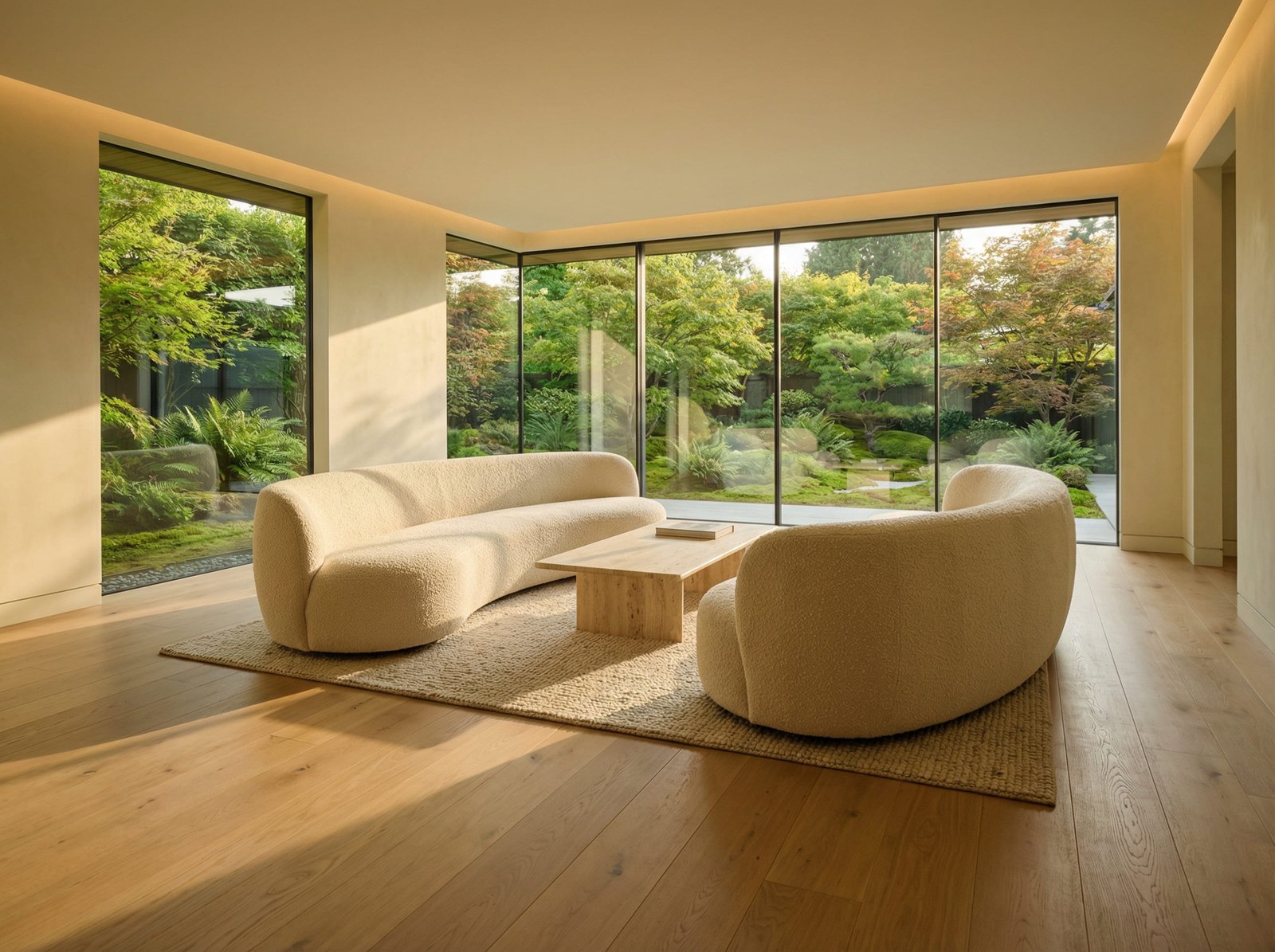
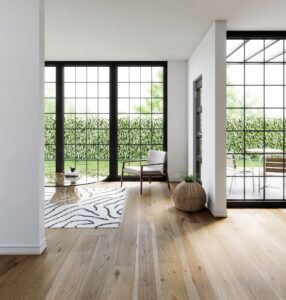
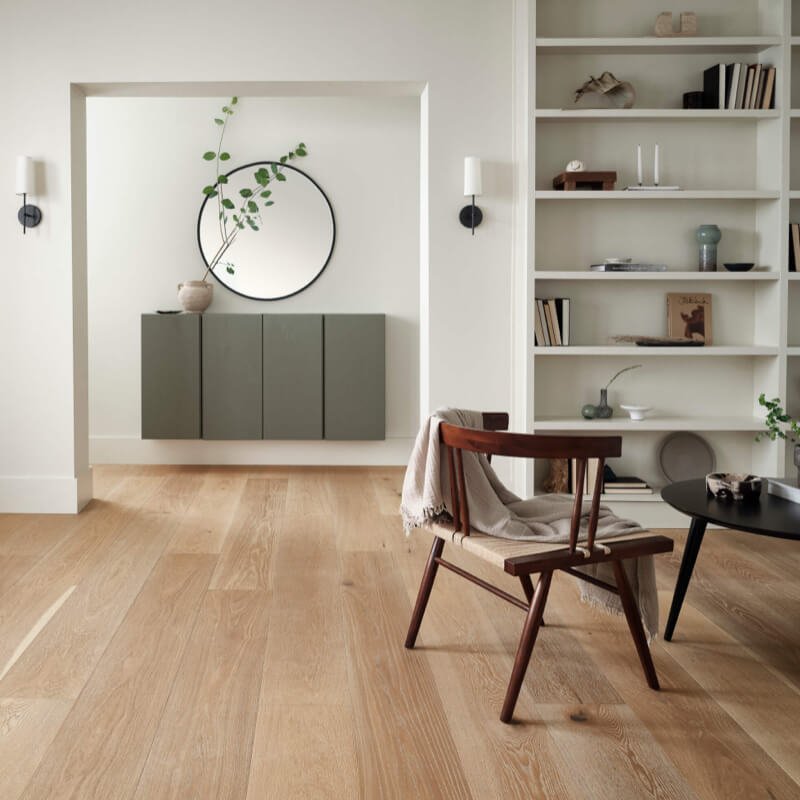
* **Warm Wood Tones**: Earthy richness is back. Shades of honey, caramel, and chestnut are replacing cooler palettes, creating a cozy and timeless ambiance.
* **Biophilic Design**: The desire to bring nature indoors remains a dominant force. This includes the use of sustainable materials like solid hardwood and stone that create a deep connection to the outdoors.
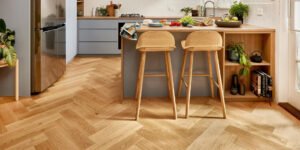
* **Geometric Patterns**: Herringbone and chevron patterns are seeing a massive resurgence, not just in wood but also in luxury vinyl and laminate, offering a bold focal point for any room.
* **Mixed Materials**: Designers are increasingly blending textures, such as pairing wood-look porcelain with real stone or incorporating metallic inlays into luxury vinyl.
* **Low-Maintenance Luxury**: Waterproof and scratch-resistant options like Luxury Vinyl Plank (LVP) and high-performance laminates continue to dominate due to their durability and ease of care.
## Industry News: Wood and Resilient Markets
The market dynamics for flooring are shifting as economic factors and supply chain issues influence availability and pricing.
| Category | Key News & Market Shifts |
| :— | :— |
| **Wood Flooring** | High-end engineered products are the “saving grace” of the category. While mid-tier sales have dipped, premium products with thicker wear layers remain in high demand. |
| **Resilient Flooring** | The category continues to gain market share, driven by rigid core (SPC/WPC) innovations. Domestic manufacturing in the U.S. is expanding to mitigate global supply chain risks. |
| **Supply Chain** | Tariffs on imports are forcing companies to manage inventory more conservatively, leading to potential shortages in certain high-cost engineered wood products. |
| **Raw Materials** | Competition for white oak is intense, as the flooring industry competes with the bourbon and furniture sectors for premium logs. |
## Evolving Regulations: Formaldehyde and PFAS
Environmental and health safety standards are becoming more stringent, with new rules taking effect across the globe.
### EPA Formaldehyde Standards
In February 2026, the U.S. Environmental Protection Agency (EPA) proposed significant updates to the **Formaldehyde Emission Standards for Composite Wood Products**. These updates include new voluntary consensus standards and refined quality control test methods to ensure that composite wood products sold in the U.S. meet strict safety limits.
### The Rise of PFAS Bans
State-level actions against **PFAS (per- and polyfluoroalkyl substances)**, often called “forever chemicals,” are sweeping the nation.
* **State Bans**: States like Minnesota, California, and New Mexico have enacted bans on intentionally added PFAS in products like carpets, rugs, and fabric treatments.
* **Phased Restrictions**: Many of these laws include phases that will lead to a full ban on all consumer goods containing PFAS by 2030-2032.
* **Industry Response**: Leading manufacturers have already begun reformulating coatings and treatments to eliminate PFAS, ensuring compliance with these emerging standards.
## Conclusion
Whether you are choosing the timeless beauty of a herringbone hardwood floor or the practical durability of a rigid core resilient plank, the choices for 2026 are more diverse and safer than ever. By staying ahead of these trends and regulations, you can ensure your flooring project is not only stylish but also sustainable and compliant with the latest health standards.
—
*Image Reference: Modern warm-toned wood flooring in a contemporary interior.*