As we move further into 2026, the flooring industry is experiencing significant shifts driven by evolving consumer preferences and heightened environmental awareness. Both wood and resilient flooring sectors are adapting to these changes, focusing on aesthetics that evoke comfort and materials that prioritize sustainability and health.
Key Flooring Trends for 2026
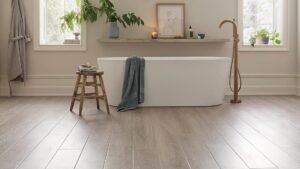
1. Embracing Warmth and Earthy Tones: The dominance of cool-toned greys is receding, making way for warmer, richer hues. Natural wood flooring is seeing a resurgence in honey, amber, and mid-brown shades, emphasizing the natural grain and timeless appeal. New neutrals like soft beige, taupe, and ‘greige’ are gaining popularity, offering warmth without overwhelming a space. Earthy accents, such as terracotta and muted greens, are also making a comeback, particularly in patterned tiles and bespoke designs.
2. Focus on Texture and Tactile Finishes: Beyond visual appeal, consumers are increasingly drawn to flooring that offers a pleasant tactile experience. Matte and low-sheen finishes are preferred over high-gloss, as they are more forgiving of daily wear and tear and provide a more authentic, natural feel. This trend aligns with a desire for authenticity and practicality in everyday living.
3. Rise of Sustainable and Natural Materials: Environmental responsibility is a major driver in flooring choices. There’s a growing demand for natural, renewable materials like cork and natural linoleum, known for their sustainability and performance. Reclaimed wood also remains highly sought after for its unique character and eco-friendly credentials. The industry is also seeing a movement away from PVC-based products, with polypropylene and PET resilient flooring emerging as durable, recyclable, and PVC-free alternatives. This shift is part of a broader embrace of biophilic design, connecting interiors with the natural world.
Evolving Regulations and Certifications
1. Formaldehyde Emission Standards: The U.S. Environmental Protection Agency (EPA) is proposing updates to its Formaldehyde Emission Standards for Composite Wood Products under the Toxic Substances Control Act (TSCA). These routine updates aim to align with the latest voluntary consensus standards from various organizations (e.g., ANSI, ASTM, BSI, ISO, NIST) and introduce a new quality control test method (ISO 12460-2:2024(en)) for measuring formaldehyde air emissions. These updates do not alter existing health or safety protections but ensure consistent, high-quality emissions data across the industry.
2. Rigid Core Resilient Flooring Certifications: SCS Global Services and the Resilient Floor Covering Institute (RFCI) have announced an update to the Assure Certified® certification for Rigid Core Resilient Flooring. The SCS-111 version 2.0 Certification Standard now includes a new testing requirement: ASTM F3781, which measures the fracture resistance of a modular resilient flooring’s profiled edge. This addition aims to provide consumers with greater confidence in product performance, complementing existing evaluations for indoor air quality, composition, size tolerance, thickness, wear-layer, heavy metals, and ortho-phthalates content.
Conclusion
The flooring landscape in 2026 is characterized by a strong move towards warmer, more textured aesthetics, a significant push for sustainable and natural materials, and continuous refinement of regulatory and certification standards to ensure product safety and performance. These developments reflect a holistic approach to flooring, where design, environmental impact, and consumer well-being are equally prioritized.
Leave a Reply