# 2026 Flooring Forecast: Innovation, Sustainability, and Performance Drive the Market
As the flooring industry steps into 2026, a clear picture emerges: sustainability, advanced technology, and consumer-centric design are the dominant forces shaping both wood and resilient flooring sectors. The market is moving beyond mere aesthetics, prioritizing products that offer enhanced performance, healthier indoor environments, and long-term value.
Key Trends in Wood Flooring
Wood flooring trends for 2026 are characterized by a shift towards performance-driven construction and natural aesthetics.
* The Rise of Ultra-Matte Finishes: High-gloss finishes are giving way to ultra-matte and oil-rubbed visuals. This trend is driven by a desire to mask everyday wear and tear, such as footprints and scratches, and to celebrate the raw, organic beauty of wood.
* Durability Over Complexity in Species Selection: The focus is on engineered hardwoods that offer superior density and resistance to dents. Innovations are leading to products with Janka ratings of 2,700 to over 3,000, and even 100% waterproof real wood options, addressing historical concerns about timber in high-moisture areas.
* “Health-First” Indoor Air Quality (IAQ) Standards: Beyond durability, the health aspect of flooring is gaining prominence. Consumers are demanding products that exceed standard IAQ requirements, with a strong preference for those meeting rigorous state-specific standards in North America.
* Textural Realism: Wire-brushing and other techniques that enhance the natural character and texture of wood are favored. This approach not only provides a lived-in feel but also helps to conceal minor imperfections. Wide and long planks remain popular, creating a visually open and expansive feel.
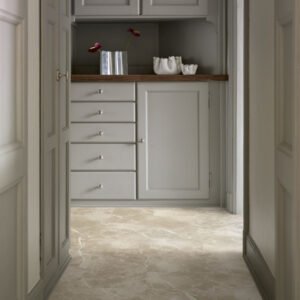
* Mixed-Material Strategy: A strategic approach to flooring involves using real hardwood as an “Equity Anchor” in living areas and bedrooms, while pivoting to performance-driven materials like stone-look LVT in high-risk “Wet Zones” such as kitchens and bathrooms.
Key Trends in Resilient Flooring
Resilient flooring continues its strong growth, driven by innovation and enhanced performance attributes.
* Continued Growth of SPC, LVT, and WPC: These categories remain the fastest-growing segments globally due to their waterproof performance, durability, and ease of installation.
* Next-Generation Solutions: The market is seeing the emergence of SPC 2.0, hybrid composite cores, ultra-wide planks, and advanced surface technologies. These innovations are leading to improved scratch resistance, sound insulation, antibacterial properties, and anti-static features.
* Enhanced Certification Standards: The industry is seeing stricter certification requirements to ensure product safety and performance. For instance, the Assure Certified® program for Rigid Core Resilient Flooring now includes new testing for fracture resistance of profiled edges (ASTM F3781).
Overarching Industry Drivers
* Sustainability as a Standard: Sustainability is no longer a niche trend but a fundamental requirement. There’s a strong emphasis on low-VOC emissions, recyclable materials, and transparent carbon footprints. Certifications like FloorScore, GREENGUARD, CARB II, and E0 standards are crucial for competitive advantage.
* Digital Transformation: Digital tools are revolutionizing the buying experience. 3D visualization, AR room simulations, and virtual showrooms are becoming essential for marketing and sales.
* Global Opportunities with Regional Strategies: Tailored product lines are becoming more important, with premium certified collections for developed markets and cost-effective, durable solutions for emerging regions.
Conclusion
The flooring industry in 2026 is defined by a commitment to innovation, responsibility, and adaptability. Companies that invest in sustainable materials, advanced technology, refined design, and digital capabilities are best positioned for success. Flooring is evolving to be a foundation for healthier spaces, smarter design, and a more sustainable future.
Leave a Reply