Category: Resilient

  • Flooring Forward: Wood and Resilient Trends and Regulations for 2026

    The flooring industry is entering 2026 with a blend of cautious optimism and strategic adaptation. As homeowners and commercial developers navigate a shifting economic landscape, the demand for high-quality, sustainable, and aesthetically pleasing flooring solutions remains robust. This report summarizes the key findings in news, trends, and regulations for the wood and resilient flooring sectors.

    Market Outlook and Industry News

    The 2026 outlook for the wood flooring industry is generally positive, with nearly 60% of businesses expecting stronger sales compared to previous years. However, this growth is tempered by factors such as high interest rates and a projected slowdown in remodeling activity, according to the Leading Indicator of Remodeling Activity (LIRA).

    In the resilient sector, the category continues to demonstrate its “resiliency,” holding steady even as other flooring types face steeper declines. The market is increasingly dominated by domestic manufacturing as companies seek to mitigate the risks associated with global supply chain volatility.

    Key Trends for 2026

    1. The Return to Nature

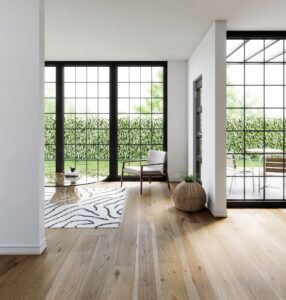
    Consumers are moving away from the gray and cool tones that dominated the last decade. Instead, warm wood tones, natural textures, and matte finishes are taking center stage. White oak remains the top choice for domestic hardwood, while brown and honey tones are seeing a significant resurgence.

    2. High-Performance Resilient Solutions

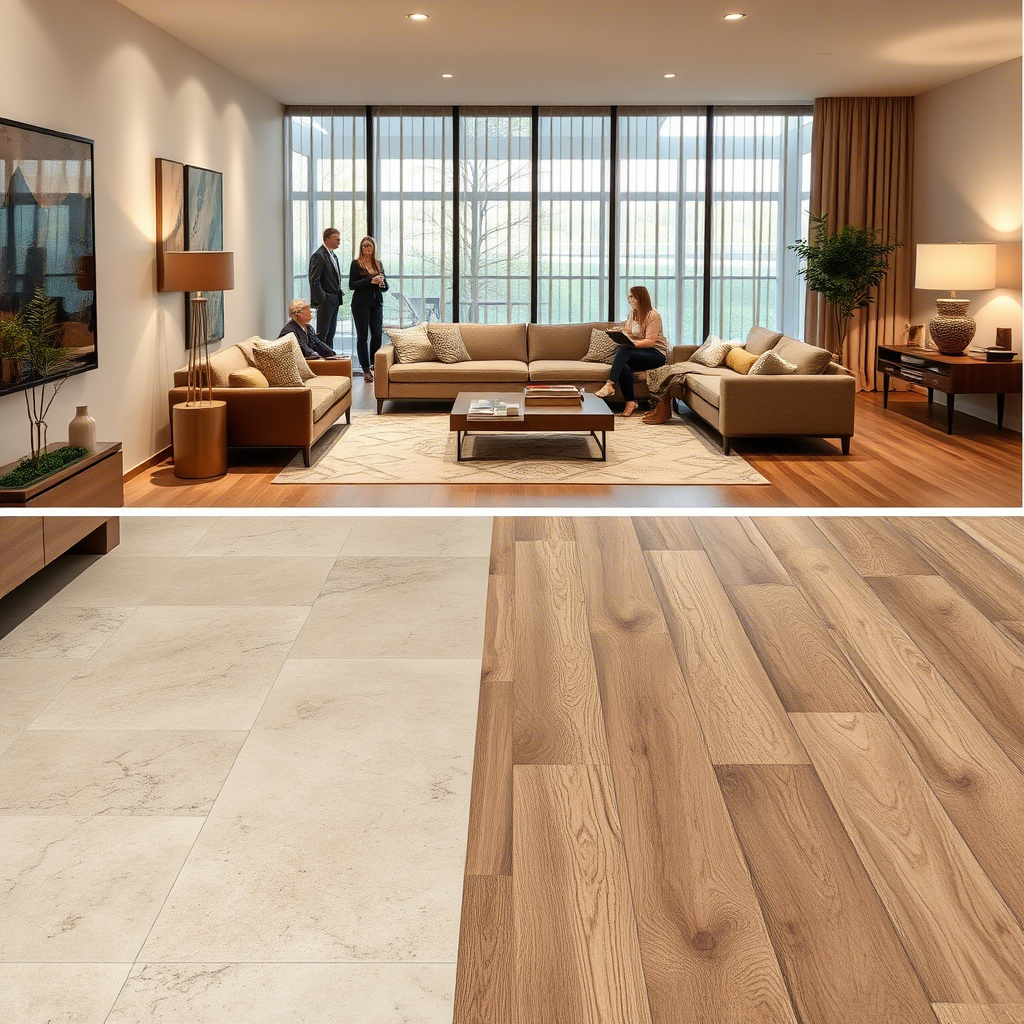
    In the resilient category, Luxury Vinyl Tile (LVT) and Stone Plastic Composite (SPC) continue to evolve. The focus for 2026 is on digital realism—products that not only look like real wood or stone but also mimic their tactile feel. Waterproofing remains a standard requirement, with oversized planks and herringbone patterns trending in both residential and commercial spaces.

    3. Sustainability as a Standard

    Eco-friendly materials are no longer a niche preference; they are the industry standard. There is a growing demand for products with high recycled content, as well as rapidly renewable materials like cork and bamboo.

    Regulatory Landscape and Trade Policies

    Formaldehyde Standards (TSCA Title VI)

    A major regulatory update occurred in early 2026. On February 6, 2026, the EPA proposed updates to the Formaldehyde Emission Standards for Composite Wood Products under TSCA Title VI. These updates aim to align federal standards with the latest voluntary consensus standards and introduce new quality control test methods, such as laser absorption spectroscopy, to ensure lower emissions and better indoor air quality.

    Tariffs and Trade Uncertainty

    Tariffs remain a significant concern for the industry. New trade actions in late 2025 and early 2026 have seen tariffs of up to 20-25% on certain imported hardwood, laminate, and plywood products. This has led many manufacturers to increase prices, shift to domestic suppliers, and increase inventory levels to hedge against future policy changes.

    Conclusion

    For 2026, the flooring industry is defined by a shift toward domestic stability, sustainable innovation, and warmer, natural aesthetics. While economic headwinds like interest rates persist, the industry’s focus on regulatory compliance and high-performance materials ensures it remains a vital component of the modern built environment.

  • The Future Underfoot: Key Trends and Regulations Shaping Wood and Resilient Flooring in 2026

    Modern Herringbone Wood Flooring

    The flooring industry is currently undergoing a significant transformation, driven by a powerful blend of aesthetic demand and functional necessity. As we look ahead to 2026, the market for both wood and resilient flooring is defined by a commitment to durability, sustainability, and sophisticated design. The days of flooring being a mere afterthought are over; it is now an intentional design element that must also meet stringent performance and environmental standards.

    Wood Flooring: The Return of Classic Elegance and Practicality

    Wood flooring trends are leaning heavily into classic patterns and practical finishes, signaling a move toward timeless, character-rich interiors.

    One of the most notable trends is the resurgence of the Herringbone pattern. This interlocking V-shaped design brings a vintage European character to a space, offering a sense of quiet luxury. It is becoming increasingly accessible, available in both traditional solid wood and high-performance Luxury Vinyl Plank (LVP) variations.

    Functionally, the industry is embracing Matte Finishes. High-gloss surfaces are being phased out in favor of natural-looking matte and satin finishes. This shift is highly practical, as matte surfaces are far more effective at concealing scratches, dust, and minor imperfections. Furthermore, the trend toward Wide Plank Floors continues to dominate, as the broader planks make rooms feel larger and more elegant while emphasizing the wood’s natural grain and reducing visual clutter from seams. In terms of color, light wood tones, particularly White Oak with natural finishes, remain the preferred choice, with designers advising against woods that carry orange undertones.

    Resilient Flooring: Growth, Innovation, and Realistic Aesthetics

    The resilient flooring market, which includes materials like Luxury Vinyl Tile (LVT), linoleum, and rubber, is experiencing robust growth. Valued at an estimated $33.2 billion in 2025, the market is projected to reach $54.9 billion by 2033, registering a compound annual growth rate (CAGR) of 6.5%.

    Luxury Vinyl Tile (LVT) remains the primary growth driver, prized for its durability, water resistance, and design flexibility. Manufacturers are leveraging advanced digital printing and embossing technologies to create ultra-realistic textures that convincingly mimic natural materials like wood and stone. This focus on aesthetics is paired with functional innovation, as click-lock and loose lay installation systems are simplifying the process for both professionals and DIY enthusiasts, reducing labor time and cost.

    Beyond residential use, resilient flooring is being prioritized in commercial sectors, particularly in healthcare and education, where its hygiene, ease of cleaning, and slip resistance are critical. Furthermore, flooring is increasingly recognized as a key component in building design for its role in acoustic solutions, helping to reduce noise levels and enhance occupant satisfaction in multi-family and commercial buildings.

    Regulations and the Push for Sustainability

    The most significant overarching trend is the industry-wide commitment to sustainability and health. Regulatory and consumer pressure is driving innovation toward healthier, low-emission products.

    In conclusion, the flooring market is moving toward a future where performance and aesthetic appeal are inseparable from environmental responsibility. Whether it is the classic, durable elegance of a matte, wide-plank wood floor or the high-tech, sustainable realism of LVT, the latest trends reflect a sophisticated consumer base that demands the best of both form and function.

  • The 2025 Flooring Forecast: Warm Woods, Textured Finishes, and Resilient Durability

    The flooring industry is undergoing a significant transformation in 2025, moving away from the cool, minimalist aesthetics of the past decade. The new focus is on authenticity, warmth, and high performance, driven by a desire for more natural and sustainable living spaces. This shift is evident in both the wood and resilient flooring categories, with a clear return to classic, inviting styles.

    Wood Flooring Trends: The Return to Warmth

    The most striking trend in wood flooring is the decisive move away from gray and blonder tones. Designers are embracing warmer, earthier woods like honey oak and walnut, which create a cozy, inviting ambiance. This is a resurgence of traditional wood colors, signaling a desire for a more grounded and classic look.

    A key element of this warmth is texture. Glossy, high-sheen finishes are out, replaced by organic aesthetics like wire-brushed, matte, and hand-scraped surfaces. These tactile finishes not only align with natural design styles but also offer the practical benefit of better concealing everyday wear in high-traffic areas.

    Design is also becoming more intricate, with geometric patterns such as chevron and herringbone making a strong comeback. These classic patterns, which date back centuries, are being reinterpreted to add depth and visual complexity to modern entryways and open-concept spaces.

    Underpinning these aesthetic changes is a strong commitment to biophilic design and sustainability. Consumers are increasingly demanding cleaner, safer products with low carbon footprints, leading to a preference for natural materials like bamboo, cork, and even marmoleum (natural linoleum).

    Resilient Flooring: The Durable Performer

    While the wood market focuses on aesthetics, the resilient flooring category is proving its market resilience in the face of economic headwinds like high interest rates and a slow housing market. Categories like Luxury Vinyl Tile (LVT) are holding their own, outperforming carpet and hardwood in a challenging year.

    The current market is seeing a shift in demand from new construction to remodel and renovation projects. With homeowners staying put due to high mortgage rates, they are investing in targeted remodels where resilient flooring shines due to its durability, water resistance, and easy maintenance. This focus on high-performance products ensures that the floors can stand the test of time.

    Furthermore, the push for sustainability is also impacting resilient products, with commercial trends highlighting PVC-free and Red List Free collections that are inspired by natural elements. This aligns with the broader regulatory trend where consumers are preferring products made without potentially harmful chemicals like VOCs and PFAs.

    Conclusion

    The 2025 flooring landscape is defined by a clear theme: a return to the natural, the warm, and the durable. Whether it’s the rich, textured look of a walnut floor or the high-performance, sustainable nature of modern resilient products, the future of flooring is about creating authentic, long-lasting, and inviting spaces.

  • The Resilient and Textured Future: Key Flooring Trends, News, and Regulations for 2025-2026

    The flooring industry is navigating a period of significant change, marked by economic headwinds, evolving design preferences, and a renewed focus on technical standards. For both wood and resilient flooring, the outlook for 2025 and 2026 is defined by a blend of market resilience, a strong shift toward natural aesthetics, and a commitment to high-performance materials.

    Resilient Flooring: Holding Steady Amidst Headwinds

    The resilient flooring category, which includes products like Luxury Vinyl Tile (LVT) and Stone Plastic Composite (SPC), is proving its namesake. Despite a challenging economic environment characterized by high interest rates and a slow housing market, the segment is holding its own. While some experts predict a slight downturn in volume and value for 2025, the category is outperforming others like carpet and traditional hardwood.

    The primary market driver has shifted from new construction to renovation and replacement. Homeowners, locked into lower mortgage rates, are choosing to update their current homes rather than move, fueling demand for durable, high-performance resilient products.

    A significant challenge remains the volatility of tariffs and trade policies, which complicates supply chain management and pricing strategies. On the regulatory front, the industry continues to advance technical standards, notably with the approval of a new ASTM standard for mitigating moisture beneath resilient floor coverings, emphasizing the importance of proper subfloor preparation and installation.

    Wood Flooring: A Return to Nature and Texture

    The wood flooring sector is moving away from the sleek, uniform looks of the past, embracing a more organic and tactile aesthetic.

    • Textured Finishes Dominate: The trend is decisively shifting from glossy surfaces to matte, wire-brushed, and hand-scraped textures. These finishes not only align with a more relaxed, natural design style but also offer practical benefits by better concealing everyday wear and tear.
    • Patterned Floors Reimagined: Traditional designs are being reinterpreted in modern ways. Parquet patterns are making a strong comeback, often utilizing larger planks and warm, tone-on-tone color schemes to create a unique design feature.
    • Biophilic Design: Wood is increasingly being used beyond the floor plane, appearing in wall paneling and ceiling treatments. This reflects a broader movement toward biophilic design, which seeks to connect interior spaces with nature, promoting a sense of calm and warmth.
    • Engineered Wood’s Reliability: Engineered wood remains a reliable choice, particularly where stability and resilience are critical, ensuring long-term performance in diverse environments.

    Overarching Aesthetic Trends for 2025

    Across both wood and resilient categories, several key aesthetic trends are shaping consumer choices: warm tones and lighter woods are replacing drab greys, natural materials and textures are increasingly preferred, checkerboard and terrazzo patterns are experiencing a renaissance, and sustainability continues to drive demand for eco-friendly flooring solutions.

    In summary, the future of flooring is defined by durability, texture, and a warm, natural palette. The market is stable, driven by renovation, and continually improving its technical standards to ensure long-lasting, beautiful installations. This focus on high-performance, authentic materials ensures that both wood and resilient flooring will remain foundational elements in modern interior design.

  • The 2025 Flooring Forecast: Warm Wood, Resilient Markets, and New Regulations

    # The 2025 Flooring Forecast: Warm Wood, Resilient Markets, and New Regulations

    The world of flooring is undergoing a significant transformation in 2025, marked by a decisive shift in aesthetic preferences, continued market resilience in the face of economic headwinds, and an increasing focus on regulatory compliance. For both wood and resilient flooring categories, the key themes are **authenticity, durability, and sustainability**.

    ## Wood Flooring: The Return to Warmth and Texture

    After years dominated by cool grays, the wood flooring market is experiencing a major swing back to **warm, natural tones**. Designers and homeowners are embracing hues like golden oak, honey-toned pine, and rich chestnut, which infuse spaces with comfort and timeless appeal. This trend signals a move away from the flat, cold look of gray-toned wood, favoring instead the inviting character of wood’s natural colors.

    Beyond color, the following trends are defining the wood flooring landscape:

    * **Wide Planks:** Wider and bolder planks (5, 7, or 10+ inches) are becoming the standard, creating a more expansive, less busy look with fewer seams.
    * **Matte Finishes:** High-gloss is out, replaced by **matte and low-sheen finishes**. These finishes offer a more natural, authentic appearance and are significantly more practical, as they hide scratches, scuffs, and dust better than their glossy counterparts.
    * **Textured Surfaces:** Surfaces that add character, such as **wire-brushed** and **hand-scraped** finishes, are highly sought after. These techniques enhance the wood’s natural grain and provide a lived-in, rustic elegance.
    * **Creative Patterns:** Classic patterns like **herringbone and chevron** are making a strong comeback, adding a sense of craftsmanship and luxury to entryways and main living areas.

    ## Resilient Flooring: Holding Steady in a Choppy Market

    The resilient flooring category, which includes luxury vinyl tile (LVT) and rigid core products like SPC, is proving its namesake by remaining strong despite significant market challenges in 2025. While the overall market has softened due to high interest rates, a slow housing market, and inflation, resilient flooring is holding its own better than other categories like carpet and hardwood.

    Key takeaways for the resilient market:

    * **Focus on Remodel:** With fewer new home starts, the market is shifting toward **remodel and replacement projects**. Homeowners who are staying put are investing in high-performance, durable, and water-resistant resilient floors.
    * **Market Value:** While volume may be slightly down, the category is holding steady in terms of value, with projections showing the market size continuing to grow significantly through 2033.
    * **Tariff Volatility:** Evolving trade policies and fluctuating tariffs continue to create turbulence, impacting pricing and supply chain management. This has led to increased investments in domestic manufacturing to mitigate risk.

    ## The Regulatory Landscape: Focus on Safety and Sustainability

    Regulatory compliance is a growing concern, particularly regarding the use of chemicals in flooring products. New regulations targeting **PFAS (per- and polyfluoroalkyl substances)** are rapidly emerging across the U.S., intensifying the pressure on manufacturers in both the wood and resilient sectors to adapt and find low-VOC, eco-friendly alternatives.

    Furthermore, technical standards from organizations like the **NWFA (National Wood Flooring Association)** and **ASTM International** continue to evolve, ensuring quality, safety, and performance in both residential and commercial applications. The push for **FSC-certified** and responsibly sourced wood also underscores the industry’s commitment to environmental sustainability.

    In summary, 2025 is a year for the flooring industry to embrace the authentic, the durable, and the responsible. The trends point toward a warmer, more textured home environment, supported by a resilient market and a stricter regulatory framework.

  • The Latest in Flooring: Trends and Regulations for Wood and Resilient Materials

    ### Regulations Impacting Wood Flooring:

    Several regulations aim to ensure safety and environmental responsibility in the wood flooring industry:

    * **Formaldehyde Emissions:** The California Air Resources Board (CARB) sets standards for formaldehyde emissions in composite wood products. While legally enforceable only in California, these standards are widely adopted, with most producers offering CARB-compliant flooring. The U.S. and Canadian governments are using CARB as a model for national standards.
    * **Lead:** Homes built before 1978 must be tested for lead if more than 6 square feet of painted surface is disturbed, or if the floor finish is unknown. EPA-certified companies and trained individuals are required for testing and lead-safe work practices.
    * **Asbestos:** Common in structures built before 1986, asbestos requires testing and safe removal. Many states have specific laws regarding asbestos removal.
    * **Crystalline Silica:** OSHA regulates crystalline silica exposure, particularly from grinding concrete subfloors. This requires using floor grinders with dust collection systems, exhaust systems in enclosed areas, and HEPA-filtered vacuums. Employers must also have exposure control plans, monitor compliance, and provide worker training and medical exams.

    ### Regulations Impacting Wood Flooring:

    Several regulations aim to ensure safety and environmental responsibility in the wood flooring industry:

    * **Formaldehyde Emissions:** The California Air Resources Board (CARB) sets standards for formaldehyde emissions in composite wood products. While legally enforceable only in California, these standards are widely adopted, with most producers offering CARB-compliant flooring. The U.S. and Canadian governments are using CARB as a model for national standards.
    * **Lead:** Homes built before 1978 must be tested for lead if more than 6 square feet of painted surface is disturbed, or if the floor finish is unknown. EPA-certified companies and trained individuals are required for testing and lead-safe work practices.
    * **Asbestos:** Common in structures built before 1986, asbestos requires testing and safe removal. Many states have specific laws regarding asbestos removal.
    * **Crystalline Silica:** OSHA regulates crystalline silica exposure, particularly from grinding concrete subfloors. This requires using floor grinders with dust collection systems, exhaust systems in enclosed areas, and HEPA-filtered vacuums. Employers must also have exposure control plans, monitor compliance, and provide worker training and medical exams.

    ## Resilient Flooring: Steadfast Growth Amidst Challenges

    The resilient flooring category is demonstrating strong resilience in 2025, holding its own despite market challenges. While overall volume has softened slightly, the segment continues to perform well compared to other flooring categories.

    * **Market Performance:** Despite a slight downturn in volume, the resilient flooring market is expected to grow steadily, driven by urbanization, building trends, and innovative products. It is anticipated to reach significant market values by 2034.
    * **Shift to Renovation:** With a slowdown in new home sales due to high interest rates and limited inventory, there”s a shift towards renovation projects. Homeowners are opting for targeted remodels, where resilient flooring shines due to its durability, performance, and aesthetic appeal.
    * **Product Innovation:** Engineered wood and high-quality Luxury Vinyl Plank (LVP) are gaining popularity. These products replicate the look and feel of natural wood while offering practical benefits like waterproof finishes, pet-friendliness, durability, scratch resistance, and sustainable sourcing.
    * **Eco-Conscious Options:** Materials like reclaimed wood, cork, and bamboo are seeing increased demand due to their sustainable sourcing and performance benefits, including thermal insulation, joint support, and sound absorption. There”s also a growing focus on low-VOC finishes, non-toxic adhesives, and hypoallergenic materials for healthier indoor environments.
    * **Statement Surfaces:** Floors are becoming a focal point in design, with designers moving away from plain white, cream, or gray. This includes painted finishes, colorful zellige or subway tiles, and a resurgence of wall-to-wall carpets with diverse patterns and colors.

    ### Challenges in Resilient Flooring:

    * **Housing Market:** High interest rates, affordability concerns, and limited inventory continue to impact new home sales, indirectly affecting flooring demand.
    * **Tariff Volatility:** Evolving trade policies and fluctuating tariff rates create uncertainty for manufacturers and consumers, impacting pricing and supply chain management.

    ## Conclusion

    Both wood and resilient flooring sectors are adapting to consumer preferences for natural aesthetics, durability, and sustainability. While facing regulatory and economic challenges, the industry continues to innovate, offering a wide range of options that balance visual appeal with practical performance and environmental responsibility.

  • The Future Underfoot: Key Trends and Regulations in Wood and Resilient Flooring

    Flooring Trends
    # The Future Underfoot: Key Trends and Regulations in Wood and Resilient Flooring The flooring industry is constantly evolving, driven by shifts in design preferences, environmental consciousness, and technological advancements. For both wood and resilient flooring, 2025 is shaping up to be a year of natural aesthetics, sustainable choices, and enhanced performance. ## Wood Flooring: Embracing Nature’s Texture and Versatility Wood flooring continues to be a foundational material in interior architecture, celebrated for its timeless appeal and design versatility. A significant trend gaining traction is the move towards **tactile, textured finishes**. Gone are the days of solely glossy surfaces; instead, wire-brushed, matte, and hand-scraped textures are bringing warmth, visual depth, and practical benefits (like concealing wear) to spaces. This aligns with a broader desire for more organic and authentic design styles. **Patterned flooring** is also experiencing a resurgence, with traditional parquet designs being reinterpreted in modern ways. Larger planks, unique layouts, and warm, tone-on-tone color schemes are allowing designers to create distinctive features within a room, reflecting a growing embrace of personalization. Beyond the floor, wood is increasingly being used for **wall paneling, ceiling treatments, and built-in architectural details**. This expansion reflects a movement towards biophilic design, where natural materials are chosen not just for their appearance but for their ability to create a sense of calm and warmth within a space. **Engineered wood** remains a reliable choice, particularly for projects requiring stability and resilience. The emphasis is on selecting high-quality materials from trusted suppliers to ensure long-term performance and durability. ## Resilient Flooring: Sustainable Innovation and Practicality The resilient flooring category continues its rapid growth, with a strong focus on health, sustainability, and diverse material options. A major trend is the rise of **PVC-free resilient flooring**. Driven by consumer and commercial concerns about the environmental and health impacts of PVC, manufacturers are innovating with materials like bio-based products, mineral cores, and other platforms. These PVC-free options offer comparable performance to traditional vinyl while being free from harmful substances like phthalates and VOCs, and often boast a lower carbon footprint. The broader shift towards **natural materials** is also evident in resilient flooring, with increased interest in options like marmoleum (natural linoleum), bamboo, and cork. These materials are favored for their eco-friendly attributes, ultra-low carbon footprint, and absence of hazardous chemicals. In terms of aesthetics, **earth tones and warmer woods** are dominating, marking a departure from cooler grays and lighter blondes. Consumers are seeking to “see the wood” and embrace its natural patterns and grains. Geometric patterns, such as herringbone and chevron, are also making a strong comeback, adding depth and visual interest. **Mixed materials** are another emerging trend, with designers combining different flooring types, such as wood and stone, to create refined and visually intriguing spaces. **Vintage vibes** are also influencing flooring choices, with materials like terrazzo and linoleum gaining popularity for their unique aesthetic and nostalgic appeal. Linoleum, in particular, is noted for its affordability, durability, and eco-friendliness. ## Regulations and Industry Shifts Regulations, such as the **Lacey Act** in the U.S., continue to play a role in ensuring that imported wood products are legally harvested and sourced. This highlights the ongoing importance of responsible sourcing and supply chain transparency in the flooring industry. The industry is also seeing a shift towards **healthier indoor environments**, with a growing demand for products free from harmful chemicals. This is particularly true in commercial settings, where architects and designers are setting new standards for material ingredients. Overall, the flooring industry is responding to a growing consumer demand for products that are not only aesthetically pleasing and durable but also environmentally responsible and healthy for indoor spaces. Innovation in materials and manufacturing processes is driving these changes, offering a wider array of sustainable and high-performance flooring options.
  • 2025 Flooring Trends: Wood and Resilient

    Flooring Trends 2025

    # 2025 Flooring Trends: Wood and Resilient

    ## Wood Flooring Trends

    In 2025, the hardwood flooring industry continues to evolve, with a growing demand for natural materials that offer durability and design versatility. Key trends include:

    * **Tactile, Textured Finishes:** Glossy surfaces are being replaced by organic aesthetics like wire-brushed, matte, or hand-scraped textures. These finishes add warmth and visual depth, complement natural design styles, and help conceal everyday wear.
    * **Patterned Flooring:** Traditional parquet designs are being reinterpreted in playful and bold ways. Larger planks, unique layouts, and warm, tone-on-tone color schemes. This reflects a broader embrace of personalization in interior design.
    * **Expansion Beyond Floors:** Wood is increasingly used for wall paneling, ceiling treatments, and built-in architectural details, driven by biophilic design principles that emphasize natural materials for a sense of calm and warmth.
    * **Practicality and Performance:** Engineered wood remains a reliable choice for stability and resilience, especially in projects where long-term performance and maintenance are crucial. Selecting products from trusted suppliers is critical for quality and installation.

    ## Resilient Flooring Trends

    The resilient flooring category is proving its resilience in 2025, holding steady despite market challenges that have hit other flooring categories harder. Key insights include:

    * **Market Stability:** While not a “great year,” the segment is holding its own compared to other flooring categories like carpet and hardwood, which have experienced harder hits.
    * **Housing Market Impact:** High interest rates, affordability concerns, and limited inventory have slowed home sales, impacting flooring demand. However, there\”s a shift towards targeted remodels where resilient flooring shines due to its versatility and ease of installation.
    * **Tariff Uncertainty:** Evolving trade policies and fluctuating tariff rates continue to create turbulence, affecting pricing strategies and inventory. Manufacturers are focusing on agility and value engineering to balance cost with product performance.
    * **Installer Shortage:** A growing concern is the lack of sufficient installers, with the average age of installers being 58. This is driving innovation in easier-to-install products like interlocked floating floors, which are expected to gain market share.
    * **Bright Spots:** Commercial segments like healthcare and education remain stable. The higher end of the retail market also shows good traction. Innovation in product design, the appeal of premium resilient formats, and expanded domestic manufacturing are contributing to the category\”s strength. The return-to-office mandates are also driving reimagining of commercial spaces, leading to increased activity in the office/corporate sector.

  • Flooring Industry Insights: Wood and Resilient Trends for 2025

    The flooring industry is in a state of flux, with both resilient and wood flooring experiencing significant shifts in trends and consumer preferences. While resilient flooring faced a challenging year in 2024, it continues to dominate the market, while wood flooring is seeing a resurgence of natural aesthetics.

    Resilient Flooring: A Year of Correction and Continued Dominance

    The resilient flooring category, which includes luxury vinyl tile (LVT), WPC, and SPC, saw a dip in sales in 2024. This was attributed to a number of factors, including a slower housing market, inflation, and more cautious consumer spending. However, despite the downturn, resilient flooring remains the top choice for many homeowners and commercial projects due to its durability, versatility, and waterproof properties.

    LVT, in particular, continues to be the star of the resilient category, accounting for the majority of sales. While the market has become more price-sensitive, there is a growing trend towards higher-quality, thicker, and more durable resilient products. In terms of design, there is a move away from glossy finishes towards more organic, textured looks that mimic natural materials.

    Wood Flooring: A Return to Natural Aesthetics

    The wood flooring industry is experiencing a significant shift back to natural wood colors and finishes. Darker stains and heavy character options are giving way to lighter, more natural tones that highlight the inherent beauty of the wood. This trend is driven by a desire for more authentic and timeless interiors.

    Textured finishes, such as wire-brushed and hand-scraped, are also gaining popularity, adding warmth and depth to wood floors. Patterned flooring, including modern interpretations of classic parquet designs, is another key trend. Additionally, wood is being used in more creative ways, such as on walls and ceilings, to create a sense of warmth and cohesion in a space.

    Kitchen Flooring Trends: Resilient Dethrones Hardwood

    In the kitchen, resilient flooring has surpassed hardwood as the most popular flooring choice for the first time. This is due to its superior durability, water resistance, and ease of maintenance. While hardwood remains a popular choice, the practicality of resilient flooring is winning over many homeowners.

    Looking Ahead

    The flooring industry is expected to continue to evolve in the coming years. For resilient flooring, the focus will be on innovation in design and technology, with an emphasis on creating even more realistic and durable products. For wood flooring, the trend towards natural and sustainable materials is likely to continue, with a focus on responsible sourcing and manufacturing practices.

    Overall, the future of flooring is about providing consumers with a wide range of options that are not only beautiful and stylish but also practical and sustainable.