In 2025, the hardwood flooring industry continues to evolve, with a growing demand for natural materials that offer durability and design versatility. Key trends include:
* **Tactile, Textured Finishes:** Glossy surfaces are being replaced by organic aesthetics like wire-brushed, matte, or hand-scraped textures. These finishes add warmth and visual depth, complement natural design styles, and help conceal everyday wear.
* **Patterned Flooring:** Traditional parquet designs are being reinterpreted in playful and bold ways. Larger planks, unique layouts, and warm, tone-on-tone color schemes. This reflects a broader embrace of personalization in interior design.
* **Expansion Beyond Floors:** Wood is increasingly used for wall paneling, ceiling treatments, and built-in architectural details, driven by biophilic design principles that emphasize natural materials for a sense of calm and warmth.
* **Practicality and Performance:** Engineered wood remains a reliable choice for stability and resilience, especially in projects where long-term performance and maintenance are crucial. Selecting products from trusted suppliers is critical for quality and installation.
## Resilient Flooring Trends
The resilient flooring category is proving its resilience in 2025, holding steady despite market challenges that have hit other flooring categories harder. Key insights include:
* **Market Stability:** While not a “great year,” the segment is holding its own compared to other flooring categories like carpet and hardwood, which have experienced harder hits.
* **Housing Market Impact:** High interest rates, affordability concerns, and limited inventory have slowed home sales, impacting flooring demand. However, there\”s a shift towards targeted remodels where resilient flooring shines due to its versatility and ease of installation.
* **Tariff Uncertainty:** Evolving trade policies and fluctuating tariff rates continue to create turbulence, affecting pricing strategies and inventory. Manufacturers are focusing on agility and value engineering to balance cost with product performance.
* **Installer Shortage:** A growing concern is the lack of sufficient installers, with the average age of installers being 58. This is driving innovation in easier-to-install products like interlocked floating floors, which are expected to gain market share.
* **Bright Spots:** Commercial segments like healthcare and education remain stable. The higher end of the retail market also shows good traction. Innovation in product design, the appeal of premium resilient formats, and expanded domestic manufacturing are contributing to the category\”s strength. The return-to-office mandates are also driving reimagining of commercial spaces, leading to increased activity in the office/corporate sector.
## Overview: The 2025 Flooring Narrative
2025 is shaping a flooring market defined by warmer aesthetics, longer and wider planks, and a new tier of resilient realism that still honors authentic wood looks. Designers want the tactile warmth of matte finishes and natural textures, while builders seek durable, low-maintenance surfaces that can perform in busy spaces and still feel premium. At the same time, policy signals and tariff dynamics are raising the cost and risk profile of imports from Asia, nudging specifiers toward stronger compliance, clearer disclosures, and more diversified sourcing. The result is a market that rewards clear specification, decisive supplier partnerships, and plans that hedge against regulatory and tariff volatility.
## Design Trends Driving 2025 Interiors
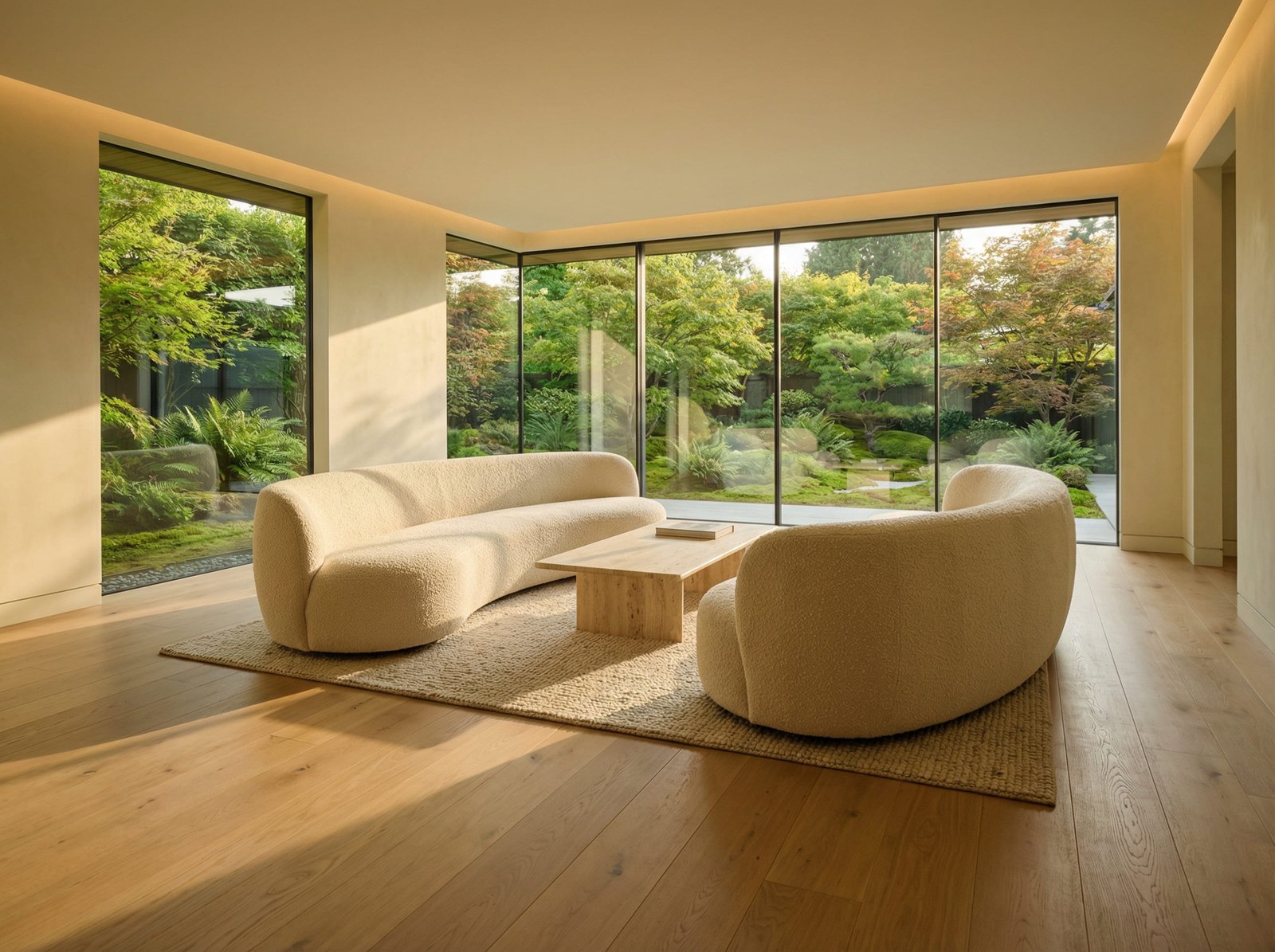
A dominant thread is the broad revival of wide planks and long formats. Industry reporting across multiple sources consistently notes a surge in wide plank hardwood floors and long, uninterrupted runs that create a sense of calm and expanse in modern rooms. In addition, large-scale parquet patterns and herringbone designs are returning with a contemporary edge, updated for larger planks and more neutral, warm tones. Matte finishes continue to replace high-gloss surfaces, delivering a softer, more tactile feel that aligns with the wish for warmth and authenticity while still offering practicality in cleaning and maintenance.
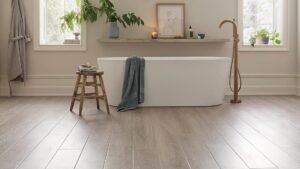
Engineered and resilient formats are converging with traditional wood aesthetics. WPC and SPC surfaces are increasingly shown in spaces once reserved for stone or real wood, including bathrooms, as people pursue durability without sacrificing the look of natural materials. This resilience, labeled by some as resilient realism, blends the authentic textures and seams of wood with the performance characteristics of modern composites, often with better underfoot comfort and improved acoustics through commercial-grade underlayment and floor systems. The trend toward acoustics, quiet underfoot comfort, and multi-surface compatibility is becoming a design and specification consideration alongside color and pattern.
Alongside planks, there’s growth in geometric and pattern-forward design, driven by engineered options that still look like premium wood. Lengths longer than traditional planks and wider boards contribute to a sense of luxury, while patterns such as parquet variants offer a nod to classic design with a modern scale. Environmental storytelling also emerges in the materials mix, with sustainable options highlighted by industry voices as part of the 2025 and 2026 momentum.
## Market Signals: Momentum by Category
The 2025 momentum centers on wider planks, matte warm tones, and the reimagining of parquet patterns through larger scale planks. Engineered wood, along with resilient formats like SPC and WPC, continues to expand beyond traditional residential spaces into bathrooms and high-traffic areas, signaling broad category adoption. The trend toward long, wide planks is paired with durable finishes and easy upkeep, creating a compelling value proposition for specifiers who must balance aesthetics with performance.
Sustainability remains a growth driver, with a visible stream of options marketed as sustainable or responsibly sourced. The convergence of design and sustainability is evident in trends discussions that highlight longer-lasting materials, repairability, and the potential for lower lifecycle costs. In parallel, industry commentary on floor designs often cites a shift toward geometric patterns and bold yet timeless tones, suggesting that the 2025 market will reward both experimental and enduring looks as consumers become more design-savvy and comfort-focused.
## Regulatory Landscape: What Specifiers Must Know
A tightening regulatory climate will influence sourcing, materials, and disclosure requirements. The European Union’s deforestation-related regulatory regime (EUDR) strengthens supply-chain due diligence for forest-risk commodities, pushing buyers to prefer certified wood sources and traceable supply chains. In the United States, TSCA Title VI adds compliance considerations for chemicals used in flooring products and finishes, influencing formulators, adhesives, and backing materials. State actions targeting PFAS and phthalates add another layer of compliance for chemical content in flooring products and associated products such as adhesives and coatings.
EU anti-dumping measures create a potential cost and supply-chain risk for imports from Asia, prompting buyers to consider supplier diversification and value-chain resilience. The REACH microplastics guidance adds another layer of documentation and potential testing for products and additives that may release microplastics during use or disposal. Taken together, these regulatory signals encourage more transparent supplier relationships, verified certifications, and early-stage regulatory screening as part of the specification and procurement process.
Tariffs affecting Asian producer countries—principally China, but with ripple effects for Vietnam and Thailand—continue to shape price trajectories and lead times. While tariffs are not the only variable, the combined effect of duties and compliance costs reinforces the case for diversified sourcing, regional options where feasible, and explicit pricing and lead-time risk planning in spec writing.
## Tariffs and Global Supply: Impacts on China, Vietnam, and Thailand
Tariff actions alter the economics of imported flooring components and finished products. Higher duties on inputs and assembled products can compress margins for importers and delay shipments, elevating the importance of supplier reliability, stock planning, and price hedging. For specifiers, this translates into recognizing total landed cost rather than unit price alone, and into contingency planning that can include regional or domestic alternatives, longer lead times, and more robust procurement scaffolds. The market signals suggest the need for proactive conversations with manufacturers about tariff exposure, compliance costs, and permitted material substitutions that preserve design intent while managing risk.
## Actionable Takeaways for Specifiers and Buyers
First, tighten compliance upfront: require clear documentation aligned with EUDR and REACH expectations, and insist on finished product declarations that confirm PFAS and phthalate content are within regulatory limits. Second, plan for resilient design choices: lean into wide and long planks, matte warm finishes, and parquet-introduced patterns that translate across engineered and resilient formats, while prioritizing acoustic performance through the right underlayment and floating-floor systems. Third, build tariff-aware procurement: model total landed cost, diversify suppliers, and consider regional sourcing when possible to mitigate tariff exposure and lead-time risk. Fourth, verify quality and sustainability claims: seek third-party certifications for wood sourcing, and require transparent disclosures about microplastics guidance where applicable. Fifth, read the design as a system: choose products whose backing, adhesives, and installation methods align with both regulatory expectations and acoustic performance goals. Sixth, maintain flexibility in specifications: allow for a measured range of planks, patterns, and finishes to preserve design intent while staying adaptable to evolving policy and market conditions.
## Closing: Planning for Resilience in 2025
The 2025 flooring landscape is one of warmth and authenticity married to durable performance and higher regulatory awareness. Designers push for wider, longer planks and refined parquet patterns in matte, warm tones, while resilient formats bring practical advantages without sacrificing style. Market momentum remains deeply tied to category convergence—engineered wood, WPC, and SPC—along with a growing emphasis on sustainability and acoustics. For specifiers and buyers, success in 2025 means pairing forward-looking aesthetics with robust compliance strategies, diversified sourcing, and pricing models that account for tariffs and regulatory costs. By embedding these elements into the specification process, the industry can realize the design potential of wide planks and parquet while maintaining resilience and predictability in a dynamic policy and trade environment.
Across 2025 flooring design leans into resilient realism, a practical blend of authentic wood visuals with performance driven materials that stand up to busy homes and evolving work spaces. The trend core centers on warm matte finishes, extended planks, and geometric patterns that bring texture without sacrificing durability. At the same time, acoustic performance and true to life finishes are becoming decisive factors for specifiers selecting hardwood or resilient options. This short guide distills observed design shifts, signals market momentum, and flags regulatory and import dynamics that buyers should factor into sourcing decisions. It also offers concrete steps that specifiers and buyers can take to align with the market while staying compliant and cost aware.
Design Trends Driving the Look and Feel
Warm matte finishes reinforce a welcoming yet understated mood. Several 2025 trend roundups highlight warmer tones paired with matte sheens as a preferred aesthetic for living areas and kitchens.
Wide and long planks continue to gain momentum. The messaging across sources points to a resurgence of wide planks and longer formats as a way to expand room perception and modernize layouts.
Parquet patterns such as herringbone and chevron remain popular for adding architectural texture without overwhelming space. Designers are using these patterns to introduce subtle complexity in both traditional and contemporary interiors.
Resilient realism is moving from a niche to a standard. WPC and SPC options are increasingly selected not only for water resistance and durability but also for realistic wood impressions that satisfy demand for authentic appearance with lower maintenance.
Acoustics and comfort are increasingly integrated into product selection. Beyond looks, buyers are considering how flooring interacts with room sound, crawls spaces and underlayment to deliver quieter, more comfortable environments.
Market Signals and Category Momentum
Wide plank hardwood is not a passing phase; it has shifted from a trend to a structural preference in many project briefs. The broad plank effect is being embraced in both renovation and new build segments.
Long planks and geometric designs compete for attention in high end spaces while remaining accessible in mid range homes, signaling broad market adoption rather than a niche appeal.
The rise of resilient options in bathroom and high humidity spaces aligns with consumer demand for authentic wood or stone looks without the fragility. The WPC and SPC family is contributing to category momentum through real world performance in moisture prone regions.
Overall momentum in the hardwood and resilient categories remains supported by design interest in texture, tone, and layout variety, enabling specifiers to tailor looks while maintaining performance and upkeep benefits.
Regulatory Landscape to Watch
The regulatory environment now includes governance around environmental due diligence and chemical safety that affects product formulations and documentation. Buyers should anticipate more robust declarations and compliance checks across supply chains.
EU deforestation and chemical related rules, including discussions around topics like EUDR and REACH microplastics guidance, are influencing sourcing options and labeling expectations. Expect supplier disclosures to grow more detailed about origin and material content.
TSCA Title VI style considerations and PFAS/phthalates state actions are shaping chemical use expectations in flooring products. Specifiers should verify that products meet regional safety standards and that adequate testing data accompanies claims of safe content.
EU anti dumping considerations continue to influence import pricing and supplier viability. Buyers may need to weigh origin based on potential tariff and duty exposures as part of total cost of ownership.
Tariffs and Sourcing Implications for Asian Producers
US tariffs on Asian producing regions such as China, Vietnam and Thailand continue to affect landed costs and supply reliability. Price differentials among these origins can shift purchasing preferences over cyclical supply windows.
The market is adapting by diversifying origin mixes, building backup supplier networks and accelerating domestic or near shore manufacturing where feasible. This shift supports resilience in project timelines even as tariff regimes evolve.
Companies that combine transparent pricing with diversified sourcing and regional compliance capabilities are better positioned to maintain continuity, manage risk and protect margin in a volatile tariff environment.
Actionable Takeaways for Specifiers and Buyers
Align design choices with performance needs. Where aesthetics call for wide planks and warm matte finishes, pair with a resilient underlayment and appropriate top coatings to maximize acoustic comfort and long term wear.
Build a compliance first sourcing process. Require complete declarations on origin, chemical content, and compliance with current and forthcoming regulations. Request documentation covering PFAS and phthalate status, plus any REACH or regional microplastics guidance applicable to the product.
Plan for acoustics as a selection criterion. Specify acoustic ratings and ensure the underlayment system complements the flooring choice to achieve target quietness and footfall reduction.
Prepare for regulatory changes. Maintain a rolling review of EUDR like due diligence expectations and TSCA style federal state actions. Track anti dumping risk and assess supplier risk exposure and price implications.
Optimize cost through strategic sourcing. Use multi origin sourcing to hedge tariff risk, and consider total cost of ownership rather than upfront price alone. Look for suppliers with clear lead times and transparent pricing bands that adapt to tariff changes.
Leverage design versatility. Use wide planks and parquet options to create premium looks that still accommodate the practical realities of maintenance, cleaning, and acoustics. Demand reliable performance data to back aesthetic decisions.
Engage early in specification workflows. Involve acoustics engineers, sustainability teams, and procurement early to ensure that design intent, performance requirements, and regulatory compliance cohere across all project stages.
In summary, 2025 flooring choices are redefining beauty through resilient performance. Specifiers can push for looks such as wide planks and warm matte finishes while also prioritizing acoustics and lifecycle costs. At the same time, the regulatory and tariff landscape requires proactive verification of origin, chemical content and compliance. By combining design intent with robust sourcing controls and a clear eye on regulations, buyers can achieve floors that are as dependable as they are beautiful.
The flooring industry is in a state of flux, with both resilient and wood flooring experiencing significant shifts in trends and consumer preferences. While resilient flooring faced a challenging year in 2024, it continues to dominate the market, while wood flooring is seeing a resurgence of natural aesthetics.
Resilient Flooring: A Year of Correction and Continued Dominance
The resilient flooring category, which includes luxury vinyl tile (LVT), WPC, and SPC, saw a dip in sales in 2024. This was attributed to a number of factors, including a slower housing market, inflation, and more cautious consumer spending. However, despite the downturn, resilient flooring remains the top choice for many homeowners and commercial projects due to its durability, versatility, and waterproof properties.
LVT, in particular, continues to be the star of the resilient category, accounting for the majority of sales. While the market has become more price-sensitive, there is a growing trend towards higher-quality, thicker, and more durable resilient products. In terms of design, there is a move away from glossy finishes towards more organic, textured looks that mimic natural materials.
Wood Flooring: A Return to Natural Aesthetics
The wood flooring industry is experiencing a significant shift back to natural wood colors and finishes. Darker stains and heavy character options are giving way to lighter, more natural tones that highlight the inherent beauty of the wood. This trend is driven by a desire for more authentic and timeless interiors.
Textured finishes, such as wire-brushed and hand-scraped, are also gaining popularity, adding warmth and depth to wood floors. Patterned flooring, including modern interpretations of classic parquet designs, is another key trend. Additionally, wood is being used in more creative ways, such as on walls and ceilings, to create a sense of warmth and cohesion in a space.
In the kitchen, resilient flooring has surpassed hardwood as the most popular flooring choice for the first time. This is due to its superior durability, water resistance, and ease of maintenance. While hardwood remains a popular choice, the practicality of resilient flooring is winning over many homeowners.
Looking Ahead
The flooring industry is expected to continue to evolve in the coming years. For resilient flooring, the focus will be on innovation in design and technology, with an emphasis on creating even more realistic and durable products. For wood flooring, the trend towards natural and sustainable materials is likely to continue, with a focus on responsible sourcing and manufacturing practices.
Overall, the future of flooring is about providing consumers with a wide range of options that are not only beautiful and stylish but also practical and sustainable.
Wood flooring continues to be a popular choice for homeowners and businesses alike, offering timeless beauty and durability. As with any industry, the world of wood flooring is constantly evolving, with new trends emerging and regulations adapting to changing demands. This post will delve into the latest news, key trends, and important regulations shaping the wood flooring landscape in 2025.
Industry News Highlights
Recent news in the wood flooring industry indicates a dynamic and evolving market. Companies are making strategic leadership changes, and sustainability continues to be a significant focus. The National Wood Flooring Association (NWFA) is celebrating its 40th anniversary, highlighting the industry’s long-standing presence and ongoing development. Partnerships, such as Floor & Decor’s collaboration with Habitat for Humanity, demonstrate a commitment to community and social responsibility. Additionally, industry reports suggest a steady, albeit slightly decreased, optimism in the small business sector, with ongoing discussions about market statistics and product innovations.
Emerging Wood Flooring Trends for 2025
The flooring trends for 2025 emphasize a return to natural aesthetics, warmth, and practicality. Here are some of the dominant trends:
Warmer Wood Tones: The cool gray trend is fading, making way for richer, warmer hues like honey, chestnut, and caramel. These tones create a sense of comfort and timelessness, making spaces feel more inviting.
Natural Textures and Materials: There’s a strong push towards sustainable and natural materials, including responsibly sourced hardwoods, cork, and natural stone. This aligns with a growing desire for biophilic design, bringing the outdoors in.
Wider and Longer Planks: This trend continues to gain momentum, creating a more expansive and seamless look in rooms. The larger dimensions contribute to a sense of luxury and openness.
Checkerboard Revival: Black and white checkerboard patterns are making a significant comeback, adding a classic yet bold statement to various spaces, from kitchens to foyers.
Luxury Vinyl Plank (LVP) Reimagined: LVP continues to evolve, offering hyperrealistic wood grain patterns and subtle color variations that closely mimic natural wood. Its durability, water resistance, and affordability make it a highly practical and popular alternative.
Textured Finishes: Beyond smooth surfaces, textured finishes that offer realistic wood grain looks are gaining popularity, providing a more luxurious and authentic feel.
Terrazzo: This composite material, with its chips of marble, quartz, and glass, is experiencing a renaissance. It offers a playful yet polished look and is highly durable and versatile, fitting into various design aesthetics.
Regulations and Standards
Regulations in the wood flooring industry primarily focus on product quality, installation guidelines, and environmental concerns. Key aspects include:
NWFA Technical Standards: The National Wood Flooring Association provides industry-wide accepted standards for manufacturing, including NOFMA Certified Flooring and Responsible Procurement Programs (RPPs). These standards ensure quality and ethical sourcing.
Installation Guidelines: Comprehensive guidelines exist for proper wood flooring installation, covering aspects like structural completeness of buildings, moisture control, and acclimation of materials. These are crucial for the longevity and performance of the flooring.
Environmental Regulations: Regulations address concerns such as formaldehyde emissions from composite wood products (e.g., California Air Resources Board – CARB regulations), lead, asbestos, and silica. These aim to protect public health and the environment.
Airflow and Venting: While not strictly a regulation, understanding proper airflow and vent design is important for the overall performance of wood flooring systems, especially in relation to HVAC systems. High-quality vents are designed to maximize airflow without sacrificing aesthetics.
Conclusion
The wood flooring industry is characterized by a blend of timeless appeal and continuous innovation. Current trends lean towards natural, warm, and practical solutions, while ongoing adherence to established regulations and standards ensures quality and sustainability. Staying informed about these developments is key for both industry professionals and consumers looking to make informed decisions about wood flooring.