• Flooring Forward: Key Trends and Regulations Shaping 2026

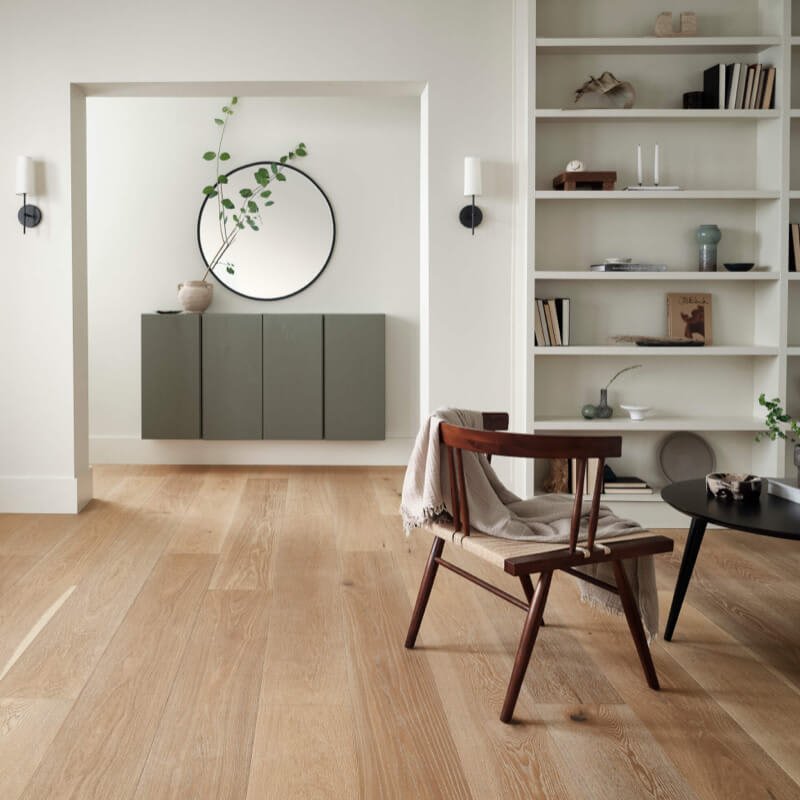
    Modern Sustainable Wood Flooring 2026

    As we move further into 2026, the flooring industry is undergoing a significant transformation, driven by a confluence of innovation, sustainability, and evolving regulatory landscapes. Both wood and resilient flooring segments are adapting to new demands, with a clear emphasis on environmental responsibility and enhanced performance.

    ## The Rise of Sustainable and Resilient Flooring

    **Sustainability** has transcended being a mere trend to become a fundamental requirement in the flooring industry. Manufacturers are increasingly focusing on **low-VOC emissions**, **recyclable materials**, and **transparent carbon footprints**. Certifications such as FloorScore, GREENGUARD, CARB II, and E0 standards are now crucial for market competitiveness, particularly in Europe and North America. The adoption of recycled and eco-friendly raw materials, alongside designs that support circular economy principles, underscores a commitment to reusability and responsible end-of-life disposal.

    **Resilient flooring**, including SPC, LVT, and WPC, continues its robust growth trajectory globally. Its popularity stems from superior **waterproof performance**, **durability**, and **ease of installation**. The year 2026 sees the emergence of next-generation solutions like SPC 2.0, hybrid composite cores, ultra-wide planks, and advanced surface technologies. These innovations deliver enhanced features such as **scratch resistance, sound insulation, antibacterial properties, and anti-static surfaces**, making them highly sought after for diverse applications including offices, healthcare facilities, and hospitality projects.

    ## Design Aesthetics and Digital Transformation

    In terms of design, there’s a pronounced global preference for **natural and warm aesthetics**. This translates into a demand for **warm wood tones, realistic textures, matte finishes, and large-format planks** that seamlessly integrate with overall interior designs to create cohesive and comfortable living spaces.

    **Digitalization** is also revolutionizing the flooring market. Tools like **3D visualization, augmented reality (AR) room simulations, and virtual showrooms** are empowering buyers to confidently evaluate products remotely. This digital shift is streamlining decision-making processes and improving communication between suppliers and clients worldwide.

    ## Evolving Regulations and Certifications

    Regulatory bodies are actively updating standards to ensure product safety and environmental compliance. The **U.S. Environmental Protection Agency (EPA)**, on February 6, 2026, proposed updates to the **Formaldehyde Emission Standards for Composite Wood Products rule under TSCA**. These updates aim to align with the most current voluntary consensus standards and introduce new quality control test methods, such as ISO 12460-2:2024(en), for measuring formaldehyde air emissions from wood products. Composite wood products are required to be labeled as TSCA Title VI compliant, a standard consistent with California Air Resources Board (CARB) regulations.

    Furthermore, the **U.S. Green Building Council (USGBC)** has aligned its **LEED v5** green building rating system with major sustainable wood certification systems, including the **Sustainable Forestry Initiative (SFI), Forest Stewardship Council-US (FSC-US), and Programme for the Endorsement of Forest Certification (PEFC)**. This alignment reinforces the importance of sustainably sourced wood in green building practices and reflects a broader industry movement towards verified environmental responsibility.

    ## Conclusion

    The flooring industry in 2026 is characterized by a strong drive towards **innovation, responsibility, and adaptability**. Companies that

  • 2026 Flooring Forecast: Innovation, Sustainability, and Performance Drive the Market

    # 2026 Flooring Forecast: Innovation, Sustainability, and Performance Drive the Market

    As the flooring industry steps into 2026, a clear picture emerges: **sustainability, advanced technology, and consumer-centric design** are the dominant forces shaping both wood and resilient flooring sectors. The market is moving beyond mere aesthetics, prioritizing products that offer enhanced performance, healthier indoor environments, and long-term value.

    ## Key Trends in Wood Flooring

    Wood flooring trends for 2026 are characterized by a shift towards **performance-driven construction** and natural aesthetics.

    * **The Rise of Ultra-Matte Finishes:** High-gloss finishes are giving way to ultra-matte and oil-rubbed visuals. This trend is driven by a desire to mask everyday wear and tear, such as footprints and scratches, and to celebrate the raw, organic beauty of wood.
    * **Durability Over Complexity in Species Selection:** The focus is on engineered hardwoods that offer superior density and resistance to dents. Innovations are leading to products with Janka ratings of 2,700 to over 3,000, and even 100% waterproof real wood options, addressing historical concerns about timber in high-moisture areas.
    * **”Health-First” Indoor Air Quality (IAQ) Standards:** Beyond durability, the health aspect of flooring is gaining prominence. Consumers are demanding products that exceed standard IAQ requirements, with a strong preference for those meeting rigorous state-specific standards in North America.
    * **Textural Realism:** Wire-brushing and other techniques that enhance the natural character and texture of wood are favored. This approach not only provides a lived-in feel but also helps to conceal minor imperfections. Wide and long planks remain popular, creating a visually open and expansive feel.
    * **Mixed-Material Strategy:** A strategic approach to flooring involves using real hardwood as an “Equity Anchor” in living areas and bedrooms, while pivoting to performance-driven materials like stone-look LVT in high-risk “Wet Zones” such as kitchens and bathrooms.

    ## Key Trends in Resilient Flooring

    Resilient flooring continues its strong growth, driven by innovation and enhanced performance attributes.

    * **Continued Growth of SPC, LVT, and WPC:** These categories remain the fastest-growing segments globally due to their waterproof performance, durability, and ease of installation.
    * **Next-Generation Solutions:** The market is seeing the emergence of SPC 2.0, hybrid composite cores, ultra-wide planks, and advanced surface technologies. These innovations are leading to improved scratch resistance, sound insulation, antibacterial properties, and anti-static features.
    * **Enhanced Certification Standards:** The industry is seeing stricter certification requirements to ensure product safety and performance. For instance, the Assure Certified® program for Rigid Core Resilient Flooring now includes new testing for fracture resistance of profiled edges (ASTM F3781).

    ## Overarching Industry Drivers

    * **Sustainability as a Standard:** Sustainability is no longer a niche trend but a fundamental requirement. There’s a strong emphasis on low-VOC emissions, recyclable materials, and transparent carbon footprints. Certifications like FloorScore, GREENGUARD, CARB II, and E0 standards are crucial for competitive advantage.
    * **Digital Transformation:** Digital tools are revolutionizing the buying experience. 3D visualization, AR room simulations, and virtual showrooms are becoming essential for marketing and sales.
    * **Global Opportunities with Regional Strategies:** Tailored product lines are becoming more important, with premium certified collections for developed markets and cost-effective, durable solutions for emerging regions.

    ## Conclusion

    The flooring industry in 2026 is defined by a commitment to **innovation, responsibility, and adaptability**. Companies that invest in sustainable materials, advanced technology, refined design, and digital capabilities are best positioned for success. Flooring is evolving to be a foundation for healthier spaces, smarter design, and a more sustainable future.

  • Flooring Forward: Wood and Resilient Trends and Regulations for 2026

    The flooring industry is entering 2026 with a blend of cautious optimism and strategic adaptation. As homeowners and commercial developers navigate a shifting economic landscape, the demand for high-quality, sustainable, and aesthetically pleasing flooring solutions remains robust. This report summarizes the key findings in news, trends, and regulations for the wood and resilient flooring sectors.

    Market Outlook and Industry News

    The 2026 outlook for the wood flooring industry is generally positive, with nearly 60% of businesses expecting stronger sales compared to previous years. However, this growth is tempered by factors such as high interest rates and a projected slowdown in remodeling activity, according to the Leading Indicator of Remodeling Activity (LIRA).

    In the resilient sector, the category continues to demonstrate its “resiliency,” holding steady even as other flooring types face steeper declines. The market is increasingly dominated by domestic manufacturing as companies seek to mitigate the risks associated with global supply chain volatility.

    Key Trends for 2026

    1. The Return to Nature

    Consumers are moving away from the gray and cool tones that dominated the last decade. Instead, warm wood tones, natural textures, and matte finishes are taking center stage. White oak remains the top choice for domestic hardwood, while brown and honey tones are seeing a significant resurgence.

    2. High-Performance Resilient Solutions

    In the resilient category, Luxury Vinyl Tile (LVT) and Stone Plastic Composite (SPC) continue to evolve. The focus for 2026 is on digital realism—products that not only look like real wood or stone but also mimic their tactile feel. Waterproofing remains a standard requirement, with oversized planks and herringbone patterns trending in both residential and commercial spaces.

    3. Sustainability as a Standard

    Eco-friendly materials are no longer a niche preference; they are the industry standard. There is a growing demand for products with high recycled content, as well as rapidly renewable materials like cork and bamboo.

    Regulatory Landscape and Trade Policies

    Formaldehyde Standards (TSCA Title VI)

    A major regulatory update occurred in early 2026. On February 6, 2026, the EPA proposed updates to the Formaldehyde Emission Standards for Composite Wood Products under TSCA Title VI. These updates aim to align federal standards with the latest voluntary consensus standards and introduce new quality control test methods, such as laser absorption spectroscopy, to ensure lower emissions and better indoor air quality.

    Tariffs and Trade Uncertainty

    Tariffs remain a significant concern for the industry. New trade actions in late 2025 and early 2026 have seen tariffs of up to 20-25% on certain imported hardwood, laminate, and plywood products. This has led many manufacturers to increase prices, shift to domestic suppliers, and increase inventory levels to hedge against future policy changes.

    Conclusion

    For 2026, the flooring industry is defined by a shift toward domestic stability, sustainable innovation, and warmer, natural aesthetics. While economic headwinds like interest rates persist, the industry’s focus on regulatory compliance and high-performance materials ensures it remains a vital component of the modern built environment.

  • Flooring Trends and Regulations 2026: The Future of Wood and Resilient Surfaces

    As we move into 2026, the flooring industry is witnessing a significant shift towards **warmth, sustainability, and technological innovation**. Whether you are considering traditional hardwood or modern resilient options like Luxury Vinyl Plank (LVP) and Stone Plastic Composite (SPC), the latest trends and regulations are shaping a more conscious and aesthetic market.

    ## Key Trends in Wood and Resilient Flooring

    ### 1. The Return of Warmth
    Cool grays and stark whites are being replaced by **warm, organic tones**. Homeowners are gravitating towards honey, caramel, and light oak finishes that create an inviting atmosphere. This trend is visible in both natural hardwood and high-fidelity vinyl prints.

    ### 2. Tactile Textures and Matte Finishes
    High-gloss surfaces are making way for **tactile, textured finishes**. Low-sheen and matte surfaces are preferred for their ability to hide scuffs and dust while providing a more natural, organic feel underfoot.

    ### 3. Large Format and Wide Planks
    Wide and long planks continue to dominate, creating a **seamless, spacious look** in open-concept homes. This aesthetic minimizes visual clutter and highlights the natural grain patterns of the material.

    ### 4. Performance-Driven Resilient Flooring
    Resilient flooring, particularly **SPC and LVP**, is becoming increasingly sophisticated. Innovations in waterproof technology, stain resistance, and scratch-proof coatings make these materials ideal for high-traffic areas and multi-use spaces.

    ## Critical Regulatory Updates

    | Regulation | Key Focus for 2026 |
    | :— | :— |
    | **Lacey Act** | Mandatory Phase VII implementation requires stricter import declarations for all plant-based products, including wood flooring, to combat illegal logging. |
    | **Formaldehyde Standards** | EPA TSCA Title VI compliance is strictly enforced, with new quality control test methods proposed to ensure ultra-low emissions in composite wood products. |
    | **VOC Emissions** | Increasing focus on indoor air quality, with certifications like FloorScore and GreenGuard becoming industry standards for both wood finishes and resilient adhesives. |
    | **Lead Safety** | The EPA RRP rule remains critical for renovations in pre-1978 buildings, requiring certified testing and lead-safe work practices. |

    ## Conclusion
    The 2026 flooring landscape is defined by a balance of **aesthetic comfort and regulatory rigor**. By choosing products that meet the latest environmental standards and align with the shift toward natural warmth, homeowners and contractors can ensure long-lasting, beautiful, and safe interiors.
    Modern wide plank wood flooring

  • Flooring Industry Outlook 2026: Trends and Regulations in Wood and Resilient Flooring

    The flooring industry is entering 2026 at a significant inflection point, driven by a shift toward warmer aesthetics, sustainable practices, and complex global regulations. As homeowners and professionals move away from the cool grays of the past decade, the focus has turned to “Meaningful Innovation” and environmental accountability.

    ## Key Trends in Wood Flooring
    The wood flooring market is seeing a resurgence of natural character and warmth. According to recent insights from Houzz and industry experts, two major trends are dominating the 2026 landscape:
    – **Warm Earth Tones:** Homeowners are gravitating toward nature-driven tones, including rich wood stains, deep browns, taupes, and honey oaks. The “cool gray” era is officially over, replaced by palettes that offer visual depth and comfort.
    – **Character-Rich Woods:** There is a growing demand for textured finishes and woods that showcase natural imperfections. This “softer traditional” style complements arched architectural features and intricate millwork.
    – **Engineered Hardwood Growth:** Engineered products continue to lead due to their stability and ability to combine natural beauty with high performance in various climates.

    ## Resilient Flooring: The Industry Driver
    Resilient flooring, particularly Rigid Core (SPC) and WPC, remains the primary driver of industry growth.
    – **Waterproof and Durable:** The category continues to gain market share by solving practical problems. It remains the preferred choice for residential remodels and multifamily housing.
    – **Domestic Manufacturing:** A significant shift is occurring toward domestic production in the U.S. to mitigate supply chain risks and tariff uncertainties.
    – **Visual Realism:** Technological advancements are closing the gap between resilient visuals and natural materials, with deeper embossing and more realistic grain patterns.

    ## Critical Regulations and Compliance
    The regulatory landscape for 2026 is complex, with several key mandates impacting global supply chains:
    – **EU Deforestation Regulation (EUDR):** Effective for most by December 30, 2025, this regulation requires strict due diligence and geolocation data to ensure wood products are “deforestation-free.” U.S. suppliers must provide verifiable proof of legality and land status to maintain access to the EU market.
    – **CARB and EPA Standards:** California’s CARB and the EPA continue to enforce strict formaldehyde emission standards for composite wood products. New amendments to Cap-and-Invest regulations are also being proposed for 2026.
    – **Tariffs and Trade:** Ongoing trade tensions and potential new tariffs are creating pricing volatility, prompting manufacturers to diversify their supply chains across multiple regions.

    ## Conclusion
    For 2026, the flooring industry is defined by **cautious optimism**. While economic headwinds like interest rates and labor shortages persist, the move toward sustainable, high-performance, and aesthetically warm products provides a clear path forward for retailers and consumers alike.